


How to Choose Safe and Efficient Gas Cooking Equipment for Commercial Kitchens
Choosing the right gas cooking equipment for commercial kitchens is essential for ensuring safety, efficiency, and consistent food quality. Gas appliances remain a top choice for professional chefs because they provide precise temperature control, instant heat, and reliable performance—especially in high-demand environments such as restaurants, cafés, and catering operations.
However, selecting the best gas equipment requires more than simply choosing the most powerful burner. You must consider safety certifications, fuel efficiency, construction quality, and how the equipment fits into your kitchen workflow. This guide will help you make the right decision for long-term performance and operational success.
Why Gas Cooking Equipment Is Ideal for Commercial Kitchens
Commercial kitchens rely on speed, consistency, and high heat output—areas where gas equipment excels. The advantages include:
- Immediate temperature response, ideal for fast-paced cooking
- High heat capacity for searing, boiling, and frying
- Better visual control with open flame
- Lower long-term operating costs compared to some electric models
- Greater compatibility with various cookware types
These benefits make gas appliances a cornerstone of many professional kitchen setups.
Key Factors to Consider Before Choosing Gas Cooking Equipment
1. Safety Certifications and Compliance
Safety is the top priority for commercial kitchens. Always check whether the gas equipment includes:
- Certified gas valves and regulators
- Flame failure devices (FFD)
- Overheat protection
- Proper ventilation compatibility
- Compliance with local gas installation regulations
Ensuring these features protects both staff and business operations.
2. Energy Efficiency
Efficient gas equipment helps reduce operating expenses while maintaining strong cooking performance. Look for:
- High-efficiency burners
- Optimized heat distribution systems
- Insulated surfaces that reduce heat loss
Energy-efficient appliances not only cut costs but also improve working conditions in the kitchen.
3. Build Quality and Durability
Commercial cooking equipment must withstand heavy daily use. Prioritize units made with:
- Stainless steel frames
- Reinforced cooking surfaces
- Heat-resistant control knobs
- Heavy-duty cast iron grates
High-quality materials extend the equipment’s lifespan and reduce service costs.
4. Cooking Performance & Temperature Control
Different cooking methods require different levels of heat precision. Choose equipment that offers:
- Fast ignition
- Adjustable flame levels
- Stable heat output
- Even surface heating
This ensures consistent cooking results even during peak service hours.
5. Kitchen Layout & Space Planning
Gas equipment should fit smoothly into your workflow. Consider:
- Proper placement for gas line access
- Adequate ventilation and exhaust systems
- Compatibility with other cooking equipment
- Space-saving or countertop models for compact kitchens
A well-planned layout increases safety and speed in busy environments.
Types of Gas Cooking Equipment for Commercial Kitchens
Here are key appliances commonly used in professional kitchens:
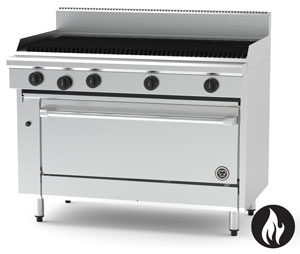
1. Gas Ranges
Versatile units combining burners and ovens—ideal for restaurants with varied menus.
2. Gas Fryers
Perfect for high-volume frying with rapid recovery times and consistent oil temperature.
3. Gas Griddles
Great for breakfast items, burgers, vegetables, and seafood.
4. Gas Charbroilers
Deliver authentic grill marks and smoky flavors—popular in steakhouses and grill-focused kitchens.
5. Gas Ovens
Reliable heat distribution for roasting, baking, and finishing dishes.
How to Ensure Maximum Safety When Using Gas Cooking Equipment
Commercial kitchens must follow strict safety practices:
- Install proper ventilation hoods
- Schedule routine gas line and equipment inspections
- Train staff on safe operation
- Check for gas leaks regularly
- Keep fire suppression systems updated
Additionally, buying equipment from a trusted supplier helps ensure all safety standards are met.
Maintenance Tips to Extend Equipment Lifespan
To keep your gas cooking equipment performing optimally:
- Clean burners and grates daily
- Descale and degrease surfaces regularly
- Replace worn components promptly
- Follow manufacturer maintenance schedules
- Ensure proper calibration of thermostats and regulators
Proper care reduces downtime and prevents costly repairs.
Conclusion
Choosing safe and efficient gas cooking equipment for commercial kitchens is essential for delivering consistent results, maintaining safety standards, and improving overall productivity. By considering energy efficiency, build quality, compliance, and kitchen layout, you can select equipment that enhances both performance and long-term value.
Explore Atlantic’s high-quality range of gas cooking equipment designed specifically for professional kitchens and demanding commercial environments.