


How Does a Sandwich Prep Table Differ from a Pizza Prep Table?
In commercial kitchens, preparation tables are essential for efficient workflow, maintaining food safety, and ensuring consistent quality. Two of the most common types are sandwich prep tables and pizza prep tables. While both are refrigerated workstations designed to keep ingredients fresh, their configurations, storage systems, and functional features differ to suit the specific needs of each type of cuisine.
If you want a more in-depth understanding of refrigerated preparation stations for sandwiches, you can explore our comprehensive guide on Cold Food Bar / Sandwich Prep, which covers design, functionality, and how to maximize efficiency in your kitchen.
Key Differences Between Sandwich Prep Tables and Pizza Prep Tables
1. Ingredient Storage and Layout
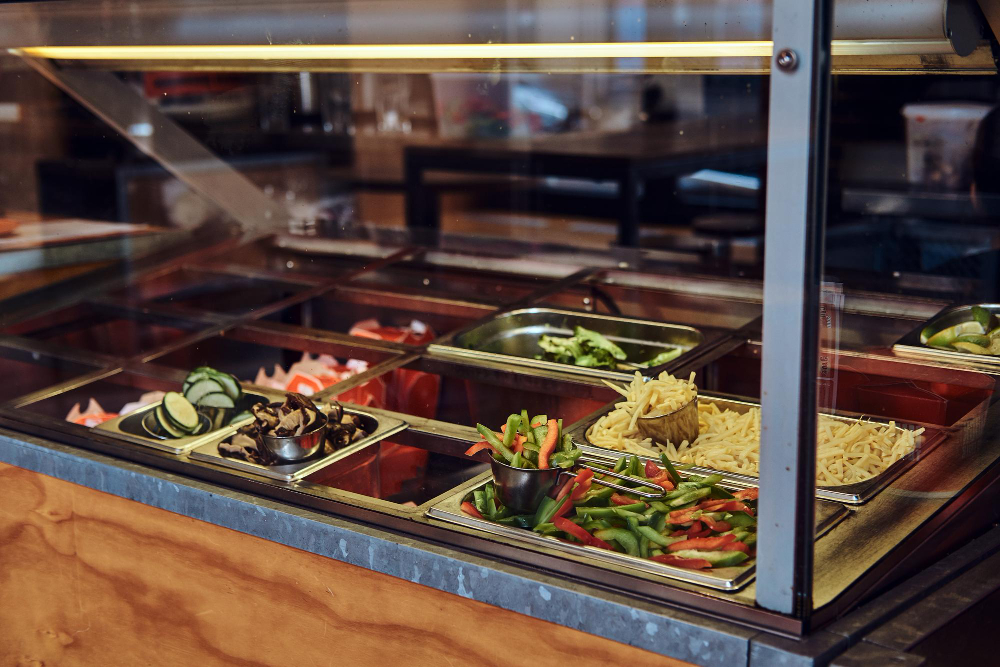
- Sandwich Prep Tables typically include multiple refrigerated compartments for various sandwich ingredients such as deli meats, cheeses, vegetables, and condiments. These ingredients are stored in GN pans or similar containers for quick access.
- Pizza Prep Tables are optimized for pizza toppings like pepperoni, vegetables, cheeses, and sauces. They usually feature shallow pans for faster ingredient retrieval and often integrate a pizza dough prep area on top.
2. Work Surface and Cutting Area
- Sandwich Prep Tables: The top surface is typically designed for sandwich assembly with cutting boards, slide-out trays, or easy-clean stainless steel surfaces.
- Pizza Prep Tables: The worktop is designed for rolling and stretching pizza dough, often with integrated flour storage or dough prep space to prevent sticking and improve workflow efficiency.
3. Temperature Settings
- Both tables maintain refrigeration to keep ingredients safe, but sandwich prep tables generally operate at slightly higher temperatures (around 0–5°C) to keep cold cuts fresh without freezing them. Pizza prep tables may maintain similar temperatures for toppings but often include slightly warmer sections to store dough at ideal working consistency.
4. Capacity and Pan Configuration
| Feature | Sandwich Prep Table | Pizza Prep Table |
| Pan depth | GN pans, medium depth for deli ingredients | Shallow pans for toppings like pepperoni, onions, mushrooms |
| Storage | Multiple drawers or refrigerated compartments | Fewer drawers, more focus on top prep space |
| Dough Prep Area | Usually not included | Large worktop, sometimes with flour bins or sliding prep board |
| Height | Standard counter height | Slightly taller to accommodate dough preparation |
| Applications | Delis, cafés, sandwich shops | Pizzerias, fast-food pizza chains, buffet lines |
5. Refrigeration Technology
- Most sandwich and pizza prep tables are equipped with forced air refrigeration, ensuring even cooling throughout all compartments.
- Some units integrate removable pans, making it easier to clean and rotate ingredients, a crucial feature for busy kitchens serving high volumes.
Advantages of Using Specialized Prep Tables
Sandwich Prep Tables
- Quick access to ingredients
- Maintain hygiene and freshness
- Multiple compartments for variety
- Ideal for high-speed sandwich assembly
Pizza Prep Tables
- Dedicated dough prep space
- Fast access to toppings for efficient pizza assembly
- Integrated storage keeps ingredients at optimal temperature
- Can streamline high-volume pizza production
Hot Tips for Optimizing Your Prep Table Setup
- Keep ingredients well-labeled for fast assembly
- Maintain temperature checks regularly
- Organize pans by popularity and frequency of use
- Use stainless steel or easily cleanable surfaces
- Schedule regular cleaning of drawers, trays, and refrigeration units
List of Common Ingredients in Each Table
Sandwich Prep Table:
- Lettuce, tomato, cucumber
- Deli meats (ham, turkey, salami)
- Cheese (cheddar, Swiss, provolone)
- Condiments (mayonnaise, mustard, sauces)
Pizza Prep Table:
- Cheese (mozzarella, cheddar)
- Meats (pepperoni, sausage, ham)
- Vegetables (onions, bell peppers, mushrooms)
- Sauces (tomato, pesto, white sauce)
FAQ
The primary difference is in the workspace design and ingredient storage. Sandwich prep tables focus on quick access to deli ingredients, while pizza prep tables include a dough prep area and shallow pans for toppings.
Both types typically operate around 0–5°C for ingredients. Pizza prep tables may include slightly warmer dough prep areas.
Yes, but it may not have enough workspace for dough prep or shallow pan configuration, which can slow down workflow.
Refrigeration efficiency
Storage compartments
Ease of cleaning
Pan compatibility
Workspace surface
Yes, specialized units like Pizza Bars Fridges provide optimized cold storage and easy access for toppings in commercial kitchens.
Conclusion
Understanding the differences between sandwich prep tables and pizza prep tables helps kitchen operators optimize efficiency, maintain food safety, and improve customer satisfaction. While both provide refrigerated storage and organized ingredient access, pizza prep tables cater specifically to dough handling and topping management, whereas sandwich prep tables focus on quick assembly of cold ingredients.
Choosing the right table, along with complementary equipment like the Exquisite ICT1200 – 4 Pan Ingredient Counter Top Fridge, can streamline your kitchen workflow, improve hygiene, and speed up service for both sandwich shops and pizzerias. Additionally, pairing pizza prep tables with Pizza Bars Fridges ensures optimal ingredient storage and smooth workflow during busy service periods.