


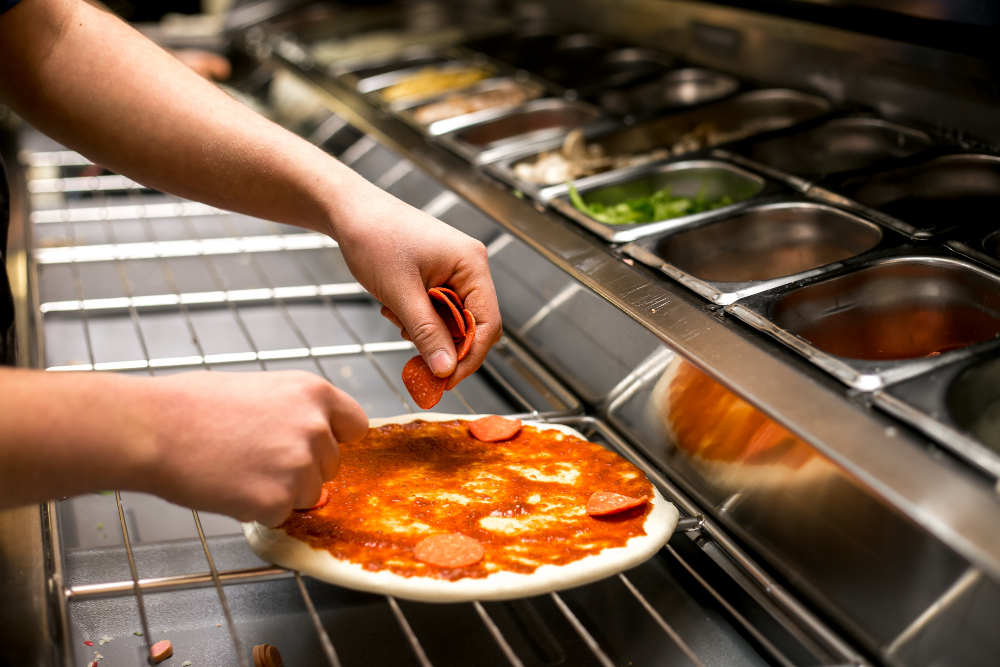
Essential Pizza Dough Equipment for Perfect Crusts Every Time
Creating the perfect pizza crust is both an art and a science. Texture, elasticity, fermentation, and baking temperature all play critical roles in determining whether a pizza crust turns out soft and airy, crisp and chewy, or thin and evenly baked. For professional pizzerias and commercial kitchens, achieving consistent results every time requires more than skill alone—it requires the right pizza dough equipment.
From mixing and portioning to shaping and baking, specialized equipment ensures efficiency, consistency, and quality at scale. This article explores the essential pizza dough equipment used by professional pizzerias to produce high-quality crusts consistently, even during peak service hours.
What Is Pizza Dough Equipment?
Pizza dough equipment refers to a range of commercial kitchen machines designed to prepare, process, and bake pizza dough efficiently and consistently. These machines replace or support manual processes that are time-consuming and prone to inconsistency.
Typical pizza dough equipment is used for:
- Mixing dough evenly
- Dividing and portioning dough
- Flattening or shaping pizza bases
- Baking pizzas at controlled temperatures
Together, these tools create a streamlined workflow that supports both quality and speed.
Why Pizza Dough Equipment Is Essential for Professional Pizzerias
1. Consistent Dough Quality
Consistency is crucial in pizza production. Customers expect the same crust texture and flavor every time they order. Professional equipment helps maintain uniform dough hydration, elasticity, and thickness.
2. Faster Production During Peak Hours
Manual dough preparation can become a bottleneck during busy service periods. Using dedicated machines allows staff to prepare dough efficiently without compromising quality.
3. Reduced Labor Dependency
Relying solely on skilled manual labor increases operational risk. Equipment standardizes processes, making it easier to train staff and maintain output quality.
4. Scalable Operations
As pizzerias grow, production volume increases. Pizza dough equipment supports scalability without requiring proportional increases in labor.
Core Types of Pizza Dough Equipment
A well-equipped pizzeria typically relies on several key machines that work together seamlessly.
Dough Mixers
Mixers are the foundation of any pizza dough process. Proper gluten development and hydration are critical for crust structure. Many artisan pizzerias rely on the principles explained in the article Dough Sheeters Explained: How to Get Even & Consistent Dough Every Time to achieve superior dough texture and fermentation control.
Dough Dividers & Portioning Equipment
These machines divide dough into equal portions, ensuring uniform pizza sizes and consistent baking times.
Dough Flattening & Shaping Equipment
Tools such as dough rollers or sheeters help create evenly shaped pizza bases while reducing manual strain.
Baking Equipment
Once prepared, dough must be baked using professional ovens designed specifically for pizza production.
How Pizza Dough Equipment Works Together
Pizza production is most efficient when equipment is integrated into a logical workflow:
- Dough mixing and kneading
- Dough resting and fermentation
- Portioning and dividing
- Shaping and flattening
- Baking and finishing
Each step supports the next, minimizing waste and maximizing consistency.
For baking, professional kitchens often rely on equipment within the Pizza Ovens category to achieve high temperatures, fast bake times, and even heat distribution essential for quality pizza crusts.
Key Features to Look for in Pizza Dough Equipment
When selecting Pizza Dough Equipment, professional buyers should consider:
- Food-grade stainless steel construction
- Adjustable settings for different dough styles
- Easy cleaning and maintenance
- Safety features for commercial use
- Durability for continuous daily operation
Choosing reliable equipment reduces downtime and long-term operational costs.
Applications Across Different Pizza Styles
Neapolitan Pizza
- Requires gentle dough handling
- Benefits from precise mixing and high-temperature baking
New York–Style Pizza
- Requires consistent dough thickness
- Equipment ensures uniform large pizza bases
Roman & Thin-Crust Pizza
- Precision flattening is critical
- Even baking prevents cracking or burning
Regardless of style, professional equipment allows pizzerias to maintain recipe integrity at scale.
E-E-A-T: Why Professional Pizza Dough Equipment Matters
Experience
Professional pizzerias worldwide rely on specialized equipment daily to handle high-volume production while maintaining quality.
Expertise
These machines are designed using food engineering principles that support dough chemistry, fermentation, and baking performance.
Authoritativeness
Pizza dough equipment is a standard feature in professional kitchens, culinary schools, and commercial food production facilities.
Trustworthiness
Manufactured according to food safety standards, commercial equipment is built for hygiene, reliability, and long-term use.
Common Mistakes to Avoid When Choosing Pizza Dough Equipment
- Buying equipment that exceeds or limits production needs
- Ignoring kitchen layout and space constraints
- Overlooking ease of cleaning
- Choosing low-quality machines based on price alone
Avoiding these mistakes ensures a better return on investment.
Maintenance and Best Practices
To keep equipment performing optimally:
- Clean machines after each production cycle
- Follow manufacturer maintenance schedules
- Train staff on correct operation
- Inspect moving parts regularly
Routine maintenance ensures consistent dough quality and extends equipment lifespan.
Frequently Asked Questions (FAQ)
What equipment is most important for pizza dough preparation?
Mixers, portioning equipment, shaping tools, and professional pizza ovens are all essential components of a complete setup.
Is pizza dough equipment suitable for small pizzerias?
Yes. Compact and semi-automatic models are available for small kitchens with limited space.
Can equipment handle different pizza styles?
Most professional machines offer adjustable settings to accommodate various dough types and crust styles.
Does using equipment affect artisan quality?
No. When used correctly, equipment enhances consistency while preserving recipe characteristics.
How long does professional pizza dough equipment last?
With proper maintenance, commercial machines can operate reliably for many years.
Conclusion
Investing in the right Pizza Dough Equipment is essential for pizzerias that aim to deliver consistent, high-quality crusts while maintaining efficiency and scalability. By combining proper mixing, portioning, shaping, and baking tools, professional kitchens can streamline operations and meet customer expectations every time.
Whether you operate a small artisan pizzeria or a high-volume commercial kitchen, the right equipment forms the backbone of successful pizza production.