


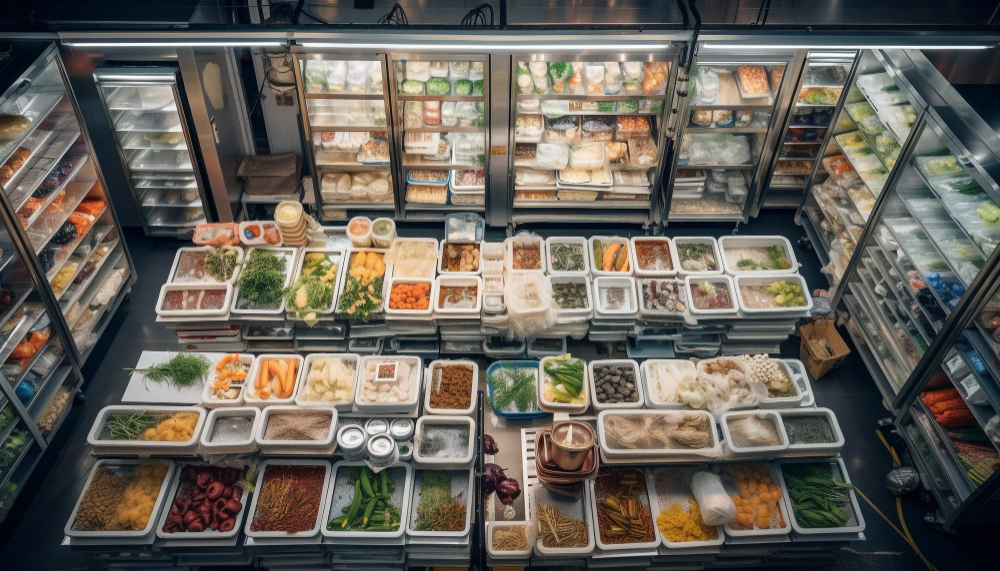
Cold Food Bar & Sandwich Prep Stations: Design and Efficiency Tips
A cold food bar is one of the most essential pieces of equipment for cafés, sandwich shops, salad bars, and commercial kitchens that require chilled ingredients within quick reach. Whether you’re assembling sandwiches, salads, or grab-and-go items, efficient cold storage and smart workstation design help maintain food safety while boosting kitchen productivity.
This guide explains how cold food bars and sandwich prep stations work, what features to look for, and how to choose the right model for your business.
What Is a Cold Food Bar?
A cold food bar—also known as a refrigerated prep counter—is a commercial unit designed to keep fresh ingredients at safe temperatures while offering a convenient food preparation surface. These units commonly feature:
-
Refrigerated under-bench storage
-
Top-mounted ingredient pans
-
Stainless steel prep counters
-
Night covers or sneeze guards
They’re widely used in sandwich shops, salad bars, pizza stations, and fast-casual restaurants.
Why Cold Food Bars Are Essential for Professional Kitchens
1. Maintain Freshness and Food Safety
Cold food bars keep ingredients such as vegetables, meats, cheeses, and sauces chilled below 5°C, preventing bacterial growth and preserving flavor.
2. Improve Workflow Efficiency
Staff can access ingredients instantly without walking back and forth between fridges, allowing faster customer service during rush hours.
3. Ideal for High-Volume Preparation
For businesses that assemble large numbers of sandwiches or salads, cold food bars ensure steady and organized ingredient handling.
4. Reduce Cross-Contamination Risks
Well-designed food bars keep ingredients separated and protected, promoting hygiene in professional food environments.
Types of Cold Food Bars & Sandwich Prep Stations
1. Standard Sandwich Prep Stations
Feature refrigerated storage below and ingredient wells on top.
Great for sandwich shops and fast-casual restaurants.
2. Mega Top Prep Stations
Have deeper and larger ingredient pan capacity.
Ideal for kitchens with many toppings or specialty sandwiches.
3. Refrigerated Salad Bars
Open-top designs suitable for buffets or self-service setups.
4. Under-Counter Cold Food Bars
Compact and designed for kitchens with limited space.
Key Features to Look for in a Cold Food Bar
✔ Accurate Temperature Control
Consistent cooling ensures food safety and extends ingredient shelf life.
✔ Stainless Steel Construction
Durable, easy to clean, and hygienic for daily heavy use.
✔ Efficient Refrigeration System
Choose models with powerful compressors for stable cooling during peak hours.
✔ Adjustable Ingredient Pans
Helps customize prep space based on menu needs.
✔ Night Covers or Sneeze Guards
Maintain temperature and protect ingredients after service hours.
✔ Energy Efficiency
Look for eco-friendly refrigerants and high-efficiency insulation.
Design Tips for an Efficient Cold Food Bar Setup
1. Optimize Workflow Zones
Place your cold food bar near other prep stations to minimize movement and maximize speed.
2. Match Storage to Menu Needs
Choose a unit with enough ingredient pans and refrigerated space to support your daily production volume.
3. Keep High-Turnover Items Accessible
Place frequently used ingredients in the front row for quick reach.
4. Ensure Proper Ventilation
Avoid placing the unit against heat sources such as ovens or grills.
5. Train Staff on Proper Loading
Overloading the unit can restrict airflow and reduce cooling performance.
How to Choose the Right Cold Food Bar for Your Business
When selecting a cold food bar, consider:
1. Kitchen Space
Measure your available area to choose between compact, standard, or mega-top models.
2. Menu Style
A sandwich-heavy menu requires more pan capacity than a simple salad menu.
3. Daily Production Volume
Choose a unit with a strong cooling system if you operate during heavy lunch rushes.
4. Durability & Brand Reputation
Choose trusted commercial refrigeration brands for long-term reliability.
5. Maintenance & Cleaning
Units with removable pans, easy-clean surfaces, and accessible coils reduce downtime.
Conclusion
A cold food bar is an essential tool for any commercial kitchen that prioritizes freshness, efficiency, and food safety. By choosing the right type, considering key features, and setting up your prep station strategically, you can improve workflow, maintain ingredient quality, and deliver consistent results every day.