


What Types of Hot Food Bars Are Best for Different Catering Needs?
In the fast-paced world of catering and foodservice, choosing the right hot food bar can significantly impact operational efficiency, food quality, and customer satisfaction. Every catering business—whether small, medium, or large-scale—requires a reliable setup that can keep food warm, visually appealing, and easy to access. With so many models and configurations available, understanding which type suits your specific needs is essential.
This complete guide explores various hot food bar types, their features, and how to align your selection with your catering demands. It also provides professional recommendations to optimize your hot food bar setup for maximum performance.
For a broader understanding of how hot food bars compare to other warming systems, you may refer to the Bain Marie & Hot Food Bar category for additional insights.
Understanding Hot Food Bars in Commercial Catering
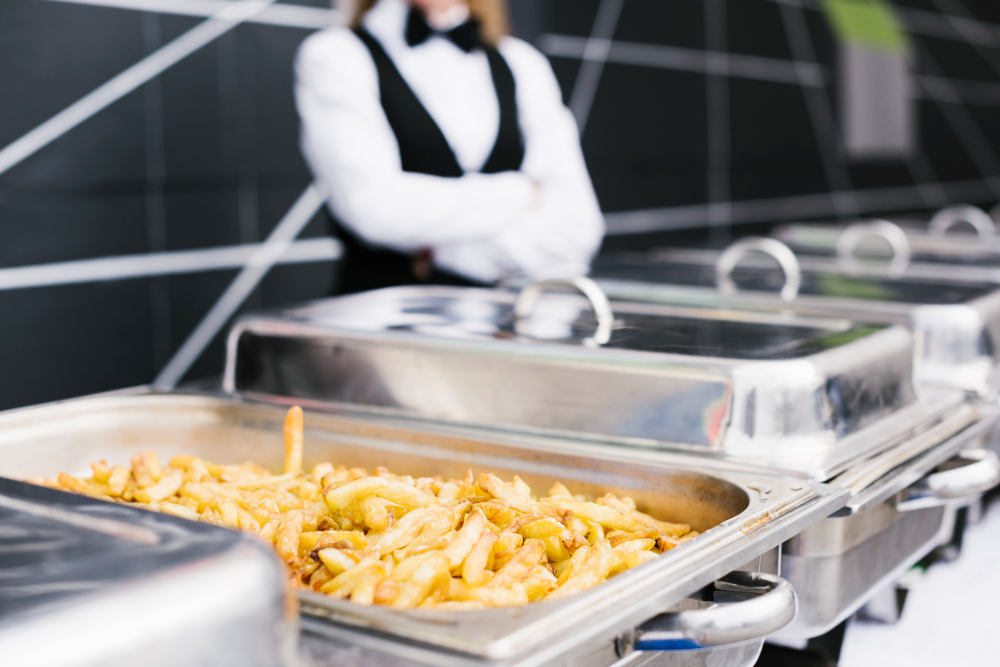
A hot food bar is a heated display unit designed to keep prepared foods at safe serving temperatures while presenting them attractively. These units are common in buffets, supermarkets, hotels, catering lines, and restaurants. Depending on the model, they can use electric, gas, or Bain Marie–style water heating.
Choosing the right model isn’t just about capacity—it’s about understanding your menu style, customer volume, and operational workflow.
1. Countertop Hot Food Bars: Compact and Efficient
Countertop hot food bars work best for small and medium-sized catering setups. Their compact design is perfect for businesses that need efficient warming without using too much space.
Best for:
- Small cafés
- Food trucks
- Office catering
- Limited buffets
- Quick-service restaurants
Advantages
- Easy installation and portability
- Lower energy consumption
- Affordable entry-level investment
- Ideal for rotating small menus
Because of their mobility, they allow operators to adjust their hot food bar setup as needed. You can move them to different service areas depending on crowd flow and event format.
Disadvantages
- Limited capacity
- Fewer heat-control features
- Not ideal for large-volume catering
2. Freestanding Hot Food Bars: The High-Volume Solution
Freestanding hot food bars are the best choice for large-scale operations requiring continuous high-volume service.
Best for:
- Hotels
- All-you-can-eat restaurants
- Wedding caterers
- Corporate dining
- Large buffets
Advantages
- Large food capacity
- Strong, durable build
- Multi-zone temperature control
- Designed for long service periods
These units create a smooth and efficient buffet line while maintaining consistent food temperatures. They also elevate presentation quality, which is crucial in hotel and event catering.
Disadvantages
- Higher investment
- Requires dedicated floor space
- Installation may require professionals
3. Modular Hot Food Bars: Maximum Flexibility
Modular systems offer unmatched flexibility, allowing you to expand or reconfigure your buffet to match event size, menu variety, or service goals.
Best for:
- Event halls
- High-end buffet dining
- Catering companies with varying menu capacity
- Hotels and banquet venues
Advantages
- Fully customizable layout
- Modern, professional aesthetics
- Can integrate refrigeration, displays, and heated modules
- Expandable as your business grows
Disadvantages
- Higher upfront cost
- More planning required
- Slightly more complex maintenance
These systems are perfect for caterers who regularly handle diverse event types and want a seamless, professional buffet line.
NEW PARAGRAPH (Internal Link Added Seamlessly)
In many catering environments, hot food bars are often paired with additional equipment to streamline workflow. For example, businesses that offer both hot and chilled menu selections commonly combine their hot food bar setup with a bar freezer to keep beverages, desserts, or cold garnishes at optimal temperatures. This pairing helps maintain service efficiency and ensures a complete, well-organized food service line for high-volume events.
4. Electric vs. Gas Hot Food Bars: Which One Fits Your Needs?
Choosing between electric and gas heating affects performance, operating cost, and usability.
Heating System Comparison Table
| Heating Type | Advantages | Disadvantages |
| Electric Hot Food Bar | Easy installation, consistent temperature, safe for indoor use | Higher energy consumption |
| Gas Hot Food Bar | Heats quickly, ideal for high-volume operations | Requires ventilation and pro installation |
Electric units are popular in indoor buffets, while gas-powered systems excel in outdoor or semi-outdoor catering where rapid heat recovery is essential.
5. Best Choice for High-Volume Catering: Apuro FT693-A
For large-scale catering operations, a durable base unit is essential. The Apuro FT693-A Bain Marie Base Unit remains a top choice thanks to its reliability, stainless steel build, and compatibility with various GN pan configurations.
To explore full specifications and performance details, visit the Apuro FT693-A Bain Marie Base Unit page.
Hot Food Bar Setup Tips for Maximum Efficiency
A well-structured hot food bar setup improves food safety, customer flow, and staff efficiency.
Professional Setup Checklist
- Ensure adequate access to electricity or gas
- Use high-quality GN pans and covers
- Keep food above 60°C (140°F)
- Organize dishes in logical order
- Add labels for clarity
- Prepare backup pans during peak hours
How to Match the Right Hot Food Bar to Your Catering Needs
1. Event Size
Small events → countertop units
Large events → freestanding or gas-powered systems
2. Menu Style
Wet dishes → Bain Marie–style hot bars
Dry foods → Dry heat hot bars
3. Space Availability
Limited space → countertop
Large venues → modular or freestanding
4. Frequency of Use
Heavy use → freestanding high-performance machines
5. Presentation Needs
Premium dining → modular systems
Conclusion
Hot food bars are essential for maintaining food quality and achieving smooth catering operations. The right model depends on your menu, customer volume, service style, and available space.
By selecting the best type of hot food bar—whether countertop, freestanding, modular, electric, or gas-powered—and setting it up properly, you ensure consistent heat, efficient service, and an enhanced dining experience. With a strategic hot food bar setup, your catering business can operate at a professional level, whether serving small gatherings or large banquets.
FAQ
A heated unit used to keep prepared food warm during service.
Countertop units are most suitable due to their compact size.
Food should be kept at 60°C (140°F) or higher.
Yes—especially for event venues and high-end buffet setups.
A Bain Marie uses water-based heating; hot food bars may use dry heat, electric, or gas.