


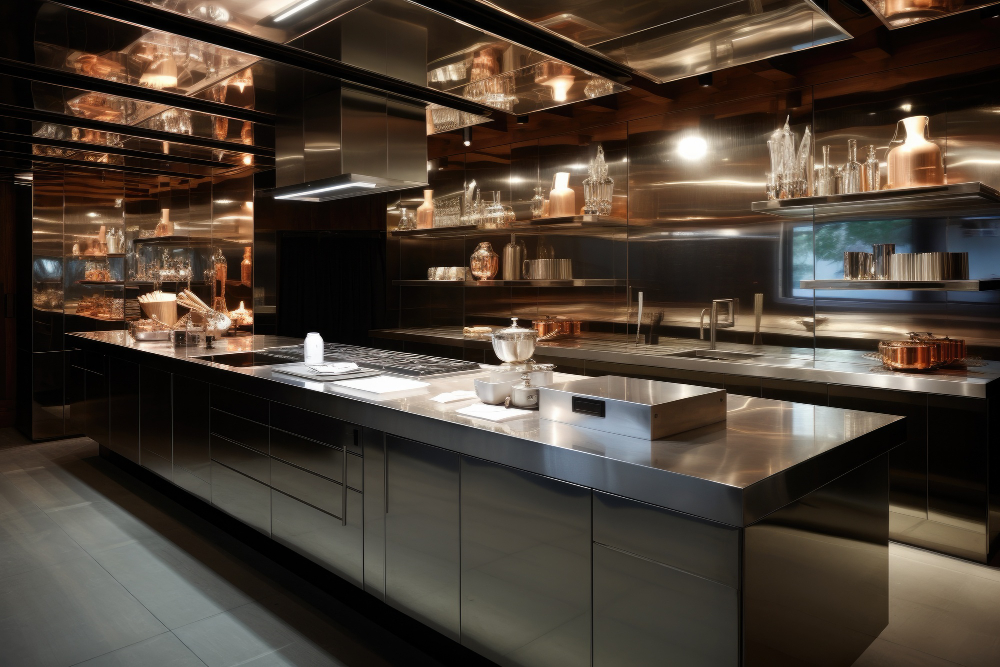
Stainless Steel Benches: Heavy-Duty Work Surfaces for Commercial Kitchens
In commercial kitchens, durability, hygiene, and efficiency are non-negotiable. Every workstation must withstand heavy daily use while supporting smooth workflows and strict food safety standards. This is where stainless steel benches play a critical role. Designed as reliable work surfaces, they form the backbone of food preparation, plating, cleaning, and equipment support in professional kitchens.
From restaurants and cafés to hotels, catering facilities, and food production environments, stainless steel benches provide a robust foundation for consistent and hygienic operations. Their versatility and strength make them a long-term investment for kitchens that demand performance under pressure.
What Are Stainless Steel Benches?
Because are commercial-grade worktables made entirely from stainless steel, designed to support food preparation, equipment placement, and general kitchen tasks. Unlike domestic tables, these benches are engineered to handle weight, moisture, heat, and constant cleaning without compromising structural integrity.
They are commonly used as:
- Food prep stations
- Equipment bases
- Plating and pass-through benches
- Cleaning and sorting surfaces
Thanks to their corrosion resistance and smooth surfaces, they are ideal for environments where hygiene and durability are essential.
Why Stainless Steel Benches Are Essential in Commercial Kitchens
Professional kitchens operate at high speed and high volume. The right benching system helps maintain consistency and efficiency throughout service.
Key reasons these benches are essential include:
- Hygiene compliance with food safety regulations
- Resistance to corrosion and moisture
- Ability to support heavy equipment
- Easy daily cleaning and sanitising
- Long service life under constant use
A properly selected stainless steel bench improves workflow while reducing long-term maintenance costs.
Key Benefits of Using Stainless Steel Benches
1. Superior Hygiene & Food Safety
Stainless steel is non-porous, meaning it does not absorb liquids, food particles, or bacteria. This makes cleaning faster and more effective, helping kitchens maintain hygiene standards required by health authorities.
2. Heavy-Duty Strength for Daily Use
Commercial kitchens rely on benches that can support mixers, slicers, cooking appliances, and heavy prep loads. Stainless steel benches are built with reinforced frames and solid tops to handle demanding workloads.
3. Heat & Moisture Resistance
Unlike timber or laminate surfaces, stainless steel remains stable when exposed to hot equipment, steam, or water—making it ideal for both prep and wash areas.
4. Flexible Kitchen Layouts
Available in various sizes and configurations, these benches adapt easily to different kitchen layouts, whether used as standalone workstations or integrated into full benching systems.
5. Long-Term Cost Efficiency
Although the initial investment may be higher, stainless steel benches offer excellent longevity, reducing replacement and repair costs over time.
Common Applications in Commercial Kitchens
Stainless steel benches are used across nearly every kitchen zone:
- Food preparation areas for chopping, mixing, and portioning
- Equipment support for appliances such as mixers and fryers
- Plating and service pass areas
- Dishwashing and cleaning zones
- Storage and assembly stations
Their adaptability makes them suitable for both front-of-house and back-of-house operations.
Types of Stainless Steel Benches
Different kitchen needs require different bench designs. Common options include:
Flat Top Benches
Ideal for general prep and equipment placement.
Benches with Splashbacks
Designed to protect walls from water, grease, and food debris—particularly useful near sinks and wash areas. Many kitchens refer to professional guidance on wall protection when designing these zones.
Benches with Undershelves
Provide additional storage for trays, containers, or small equipment, maximising space efficiency.
Custom Configuration Benches
Built to suit specific workflows, dimensions, or equipment requirements.
How to Choose the Right Stainless Steel Bench
Selecting the right bench involves more than just size. Consider the following factors:
✔ Bench Dimensions & Load Capacity
Ensure the bench fits your workspace and can support intended equipment and tasks.
✔ Stainless Steel Grade
Commercial kitchens typically use food-grade stainless steel for durability and hygiene compliance.
✔ Surface Finish
Smooth, brushed finishes reduce glare and make cleaning easier.
✔ Integration with Other Equipment
Benches should align with surrounding storage, shelving, and cleaning stations.
For kitchens exposed to heavy traffic or outdoor-adjacent areas, impact protection solutions such as those used around loading zones may also be considered during planning.
Integrating Stainless Steel Benches into an Efficient Kitchen Layout
A well-designed kitchen layout improves speed, safety, and staff comfort. Stainless steel benches often act as the central link between cooking, preparation, and cleaning zones.
Many operators position benches near wall-mounted splash protection to maintain cleanliness during food prep and washing. Others integrate them alongside safety infrastructure used to protect equipment and building features in high-traffic commercial environments.
Professional kitchen designers often recommend planning bench placement early to avoid workflow bottlenecks and unnecessary movement.
Why Choose Stainless Steel Benches from Atlantic Equipment
At Atlantic Equipment, stainless steel benches are selected with commercial performance in mind. Built for Australian foodservice environments, these benches prioritise:
- Commercial-grade materials
- Structural strength for heavy use
- Practical designs that support workflow efficiency
- Compliance with hygiene and safety standards
Backed by industry experience, Atlantic Equipment supplies solutions trusted by restaurants, hospitality venues, and professional kitchens nationwide.
Installation & Maintenance Best Practices
Proper installation and care help maximise bench lifespan:
- Install on level flooring for stability
- Ensure adequate spacing for cleaning access
- Clean surfaces daily with food-safe cleaners
- Avoid abrasive pads that may damage the finish
- Inspect joints and legs periodically for stability
Routine maintenance ensures consistent performance even in demanding environments.
Frequently Asked Questions (FAQ)
What is a stainless steel bench used for?
It is used as a durable work surface for food preparation, equipment placement, and general kitchen tasks in commercial environments.
Are stainless steel benches suitable for wet areas?
Yes. Their moisture resistance makes them ideal for prep and wash zones.
Do stainless steel benches meet food safety standards?
Food-grade stainless steel is widely accepted by health authorities due to its hygienic properties.
Can benches be customised?
Many commercial suppliers offer various sizes, shelf options, and configurations to suit different kitchens.
How long do stainless steel benches last?
With proper care, they can last many years even under heavy daily use.
Conclusion
Stainless steel benches are a fundamental component of any professional kitchen, offering unmatched durability, hygiene, and versatility. From food preparation to equipment support, they help kitchens operate efficiently while meeting strict safety standards.
When carefully selected and properly integrated into the kitchen layout, these benches provide long-term value and performance. For foodservice operators seeking reliable, heavy-duty work surfaces, stainless steel benches remain the industry standard for commercial kitchens.