


Pizza Bar Refrigeration & Prep Stations: What Works Best
A well-designed pizza bar is the backbone of any pizzeria, café, food truck, or commercial kitchen that prepares pizza at high volume. From dough handling to topping organisation and refrigerated storage, the right pizza bar refrigeration and prep station setup significantly improves speed, safety, and overall kitchen productivity.
This guide explains what a pizza bar is, essential features to look for, how to optimise your prep workflow, and which equipment works best for modern commercial kitchens.
What Is a Pizza Bar?
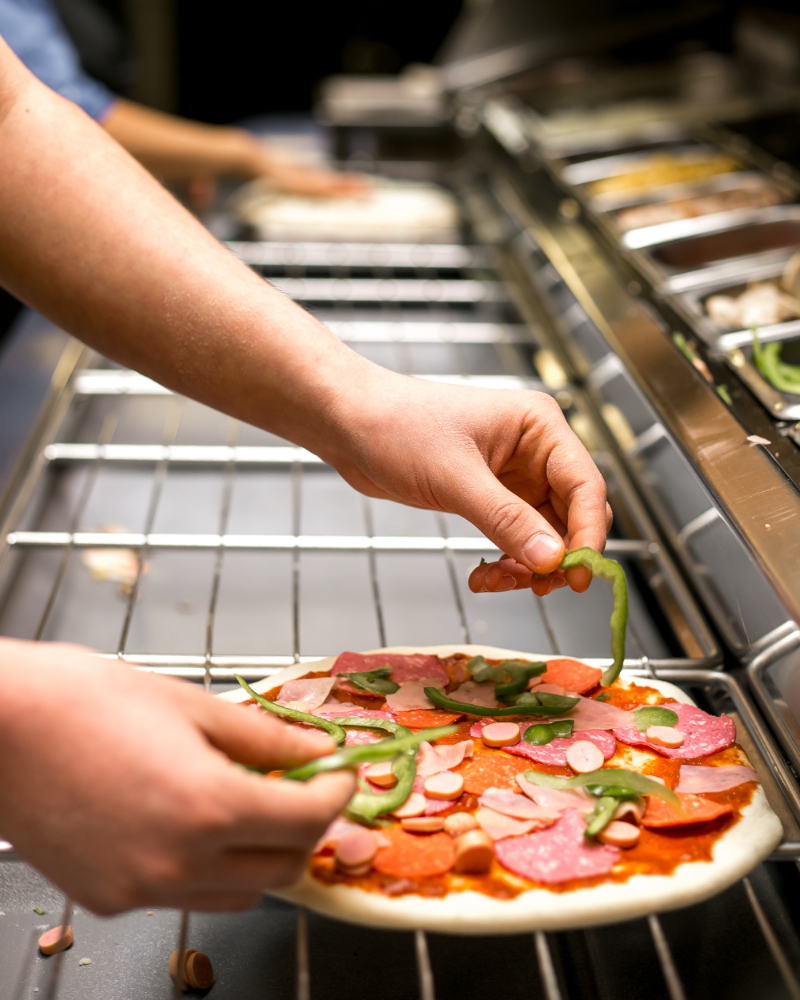
A pizza bar—often called a pizza prep station or pizza prep counter—is a refrigerated workbench designed to store ingredients at safe temperatures while providing a dedicated surface for dough stretching, topping assembly, and fast preparation. It typically includes:
-
A refrigerated base for bulk storage
-
A prep surface (stainless steel, marble, or granite)
-
An ingredient rail with GN pans for toppings
-
A temperature-controlled environment to keep food fresh
A pizza bar helps staff work more efficiently by keeping ingredients organized, visible, and consistently chilled throughout service.
Types of Pizza Bars
Choosing the right pizza bar depends on your menu, kitchen layout, and operational volume. Below are the most common types:
1. Countertop Pizza Bars
A compact solution for small kitchens.
-
Ideal for food trucks, kiosks, or cafés
-
Easy to install on existing counters
-
Lower cost and simple maintenance
2. Full-Size Pizza Prep Stations
For medium to high-volume operations.
-
Larger working surface
-
Refrigerated storage beneath
-
Multiple topping pan configurations
3. Mega-Top Pizza Bars
Designed for restaurants with extensive topping selections.
-
Extra pan capacity
-
Wider refrigerated topping wells
-
Excellent for custom-order pizzerias
4. Granite or Marble Top Pizza Bars
Best for dough-handling environments.
-
Naturally cool surface keeps dough workable
-
Ideal for artisan pizza shops
-
Adds durability and a professional finish
5. Enclosed or Glass-Guard Pizza Bars
Enhances food safety and visibility.
-
Keeps toppings sanitary
-
Suitable for customer-facing areas
-
Great for open kitchens and display service
Key Features to Look for in a Pizza Bar
Selecting the right pizza bar requires evaluating several essential features that affect daily performance and long-term value.
Temperature Control
Look for digital thermostats and reliable cooling systems (static or fan-assisted) to maintain temperatures below 5°C.
Prep Surface Quality
Stainless steel, marble, or granite are ideal for hygiene, durability, and dough management.
Topping Rail Capacity
The number of GN pans determines operational efficiency—especially during peak hours.
Refrigerated Base Storage
Choose between drawers, doors, or a combination depending on food volume.
Energy Efficiency
Modern compressors, eco-friendly refrigerants, and strong insulation help reduce running costs.
Durability
Heavy-duty stainless steel construction ensures years of reliable use in demanding environments.
Ease of Cleaning
Rounded corners, removable pans, and smooth surfaces promote hygiene and fast cleanup.
Table: Comparing Pizza Bar Types
| Pizza Bar Type | Best For | Benefits | Considerations |
|---|---|---|---|
| Countertop | Small kitchens, kiosks | Compact, affordable | Limited storage |
| Full-Size Prep Station | Medium to large pizzerias | Large work surface, refrigerated base | Requires more space |
| Mega-Top | Custom pizza shops | More topping storage | Higher energy use |
| Granite/Marble | Artisan dough handling | Cool surface, premium design | Heavy, higher cost |
| Enclosed/Glass Guard | Display kitchens | Hygienic and visually appealing | Slightly reduced accessibility |
Benefits of Using a Pizza Bar
A pizza bar offers significant advantages for commercial kitchens:
1. Improved Workflow
Ingredients remain organized and easy to reach, reducing preparation time.
2. Consistent Hygiene
Proper refrigeration reduces contamination risks and maintains safe serving temperatures.
3. Faster Service
Prepped toppings and a dedicated surface help streamline orders during rush hours.
4. Enhanced Menu Quality
Fresh, chilled ingredients maintain better texture, color, and flavor.
5. Cost Efficiency
Energy-efficient designs and organized storage help minimize food waste.
6. Space Optimization
Compact models allow small kitchens to operate efficiently despite limited space.
How to Choose the Best Pizza Bar for Your Kitchen
Selecting the ideal pizza bar involves analyzing both operational needs and future growth.
1. Define Your Volume Needs
High-volume restaurants require larger prep stations with more refrigerated storage.
2. Measure Your Space
Consider door swings, clearance, and workflow paths before selecting a model.
3. Choose the Right Topping Rail Configuration
More pans mean greater ingredient variety but also higher energy usage.
4. Evaluate Materials & Build Quality
Stainless steel construction provides durability and hygiene.
5. Consider Temperature Performance
Uniform cooling ensures food safety and quality across all compartments.
6. Factor in Long-Term Energy Costs
Efficient compressors and insulation lower ongoing expenses.
7. Prioritize Easy Maintenance
Removable GN pans, smooth surfaces, and accessible interiors save cleaning time.
Common Uses for Pizza Bars
A well-designed pizza bar supports multiple applications in modern commercial kitchens:
-
Pizza preparation (dough stretching, topping assembly)
-
Salad prep and cold ingredient storage
-
Sandwich and panini stations
-
Fast-paced catering or delivery operations
-
Open kitchen or live cooking displays
Maintenance Tips for Long-Lasting Performance
To keep your pizza bar performing reliably:
-
Clean GN pans daily
-
Sanitize prep surfaces after every shift
-
Defrost static cooling units as needed
-
Check door seals for proper insulation
-
Monitor thermostat readings regularly
-
Keep condenser coils clean for efficient cooling
This guide is compiled using commercial kitchen standards, manufacturer specifications, and best practices from foodservice professionals. It reflects real-world commercial use cases, hygienic handling procedures, and professional equipment evaluation to help operators make informed decisions backed by industry-level expertise.
Frequently Asked Questions (FAQ)
1. Can a pizza bar be used for other foods besides pizza toppings?
Yes—many businesses use them for salads, sandwiches, and deli prep.
2. What is the ideal temperature for a pizza bar topping rail?
Typically between 0°C and 5°C for food safety.
3. How long do pizza bars last?
With proper maintenance, high-quality units last 7–12 years or more.
4. Is granite better than stainless steel for dough prep?
Granite stays cooler and is preferred for artisan dough handling, but stainless steel is more versatile.
5. Do pizza bars require professional installation?
Not always, but commercial units perform best with correct electrical and ventilation setup.
For related equipment guidance, you may also find these helpful:
-
Blog: Pie & Hot Food Countertop Warmers: Keeping Food Hot & Fresh
-
Category: Bain Marie Hot Food Bar Category
Conclusion
A pizza bar is an indispensable addition to any commercial kitchen focused on efficient food preparation, consistent ingredient storage, and high-quality service. By choosing the right configuration—whether countertop, full-size, mega-top, or granite—and considering essential features such as temperature control, durability, and storage capacity, you can significantly improve workflow and food safety.
The right pizza bar helps your team prepare dishes faster, maintain ingredient freshness, and deliver outstanding results every time. With careful selection and proper maintenance, your pizza bar becomes a long-term investment that enhances both kitchen performance and customer satisfaction.