


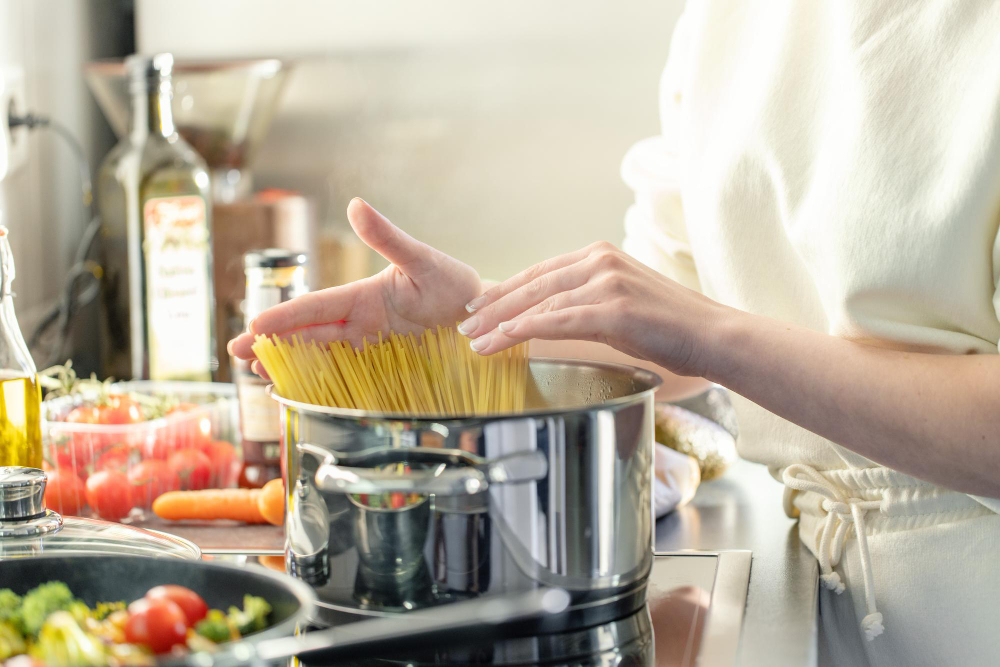
Pasta & Noodle Cookers: Comprehensive Buying Guide
For restaurants, cafés, catering services, and hotels, having the right pasta & noodle cookers is essential for preparing perfect dishes quickly and efficiently. These appliances allow chefs to cook large quantities of pasta or noodles evenly, saving time, reducing labor, and ensuring consistent quality.
This comprehensive guide explores the types, benefits, and selection tips for pasta & noodle cookers, helping you choose the ideal unit for your commercial kitchen.
What Are Pasta & Noodle Cookers?
Pasta & noodle cookers are specialized commercial appliances designed to boil and cook large quantities of pasta, noodles, dumplings, and similar products. Equipped with high-capacity heating elements, baskets, and precise temperature control, they help chefs maintain consistency during peak service hours.
These units are commonly used in:
-
Italian restaurants
-
Asian restaurants
-
Hotels and resorts
-
Food courts
-
Catering services
-
Quick-service kitchens
-
High-volume production kitchens
Their fast heating capability, continuous boiling function, and energy efficiency make them a critical tool for high-demand operations.
How Pasta & Noodle Cookers Work
Pasta & noodle cookers operate using a combination of high-powered heating and steady water circulation. Here’s how they typically function:
-
Water Tank Heating
The unit heats water rapidly using gas or electric elements. -
Temperature Control
Thermostats maintain stable boiling temperatures. -
Baskets for Portioning
Multiple baskets allow simultaneous cooking of various products. -
Overflow or Starch Removal System
Helps maintain water clarity by removing excess starch. -
Continuous Operation
Made for heavy-duty use during busy service periods.
Types of Pasta & Noodle Cookers
Gas Pasta & Noodle Cookers
Gas units are known for fast heating and responsiveness.
Best For: High-volume kitchens, restaurants with gas lines, and chefs needing quick recovery times.
Electric Pasta & Noodle Cookers
Electric models offer more stable heat distribution and easier installation.
Best For: Small cafés, food courts, and commercial spaces without gas access.
Automatic Pasta & Noodle Cookers
These high-tech models include automated lifting baskets, timers, and water refilling systems.
Best For: Large-scale operations, hotels, and establishments prioritizing consistency.
Countertop Pasta & Noodle Cookers
Compact and efficient for small spaces.
Best For: Food trucks, kiosks, and small commercial kitchens.
Benefits of Using Pasta & Noodle Cookers
Investing in pasta & noodle cookers provides multiple advantages, including:
1. Consistent Cooking Results
Precise temperature control ensures that pasta and noodles are cooked evenly every time.
2. Time Efficiency
Large tanks and quick heating help speed up preparation during peak hours.
3. Increased Productivity
Multiple baskets allow chefs to cook different portions simultaneously.
4. Reduced Labor
Automated features reduce manual monitoring, freeing staff for other tasks.
5. Energy Efficiency
Modern units minimize heat loss and reduce overall energy consumption.
6. Versatility
Perfect for cooking:
-
Pasta
-
Ramen noodles
-
Udon
-
Spaghetti
-
Egg noodles
-
Dumplings
Comparison Table: Gas vs. Electric Models
| Feature | Gas Pasta & Noodle Cookers | Electric Pasta & Noodle Cookers |
|---|---|---|
| Heating Speed | Very fast | Moderate |
| Temperature Control | High responsiveness | Very stable |
| Installation Need | Gas line | Standard power outlet |
| Operating Costs | Lower in gas-heavy regions | Lower in electric-heavy regions |
| Best For | High-volume restaurants | Small to medium kitchens |
Key Features to Look For
When selecting pasta & noodle cookers, consider the following essential features:
1. Capacity
Choose a size that matches your daily volume requirements.
2. Number of Baskets
More baskets allow for better portion control and segregation.
3. Heat Source
Depending on your kitchen setup, choose between gas or electric.
4. Starch Removal System
Helps maintain water clarity and cooking consistency.
5. Build Quality
Stainless steel construction ensures durability and hygiene.
6. Safety Features
Including:
-
Overheat protection
-
Water level sensors
-
Anti-slip feet
7. Ease of Maintenance
Look for:
-
Removable baskets
-
Drain valves
-
Easy-access water tanks
Who Should Invest in Pasta & Noodle Cookers?
These machines are ideal for:
-
Italian restaurants preparing high pasta volumes
-
Japanese ramen shops
-
Chinese noodle houses
-
Catering services needing fast batch cooking
-
Hotels and buffets serving diverse menu items
-
Fast-casual restaurants
-
Cloud kitchens
If your business frequently serves noodles or pasta, a dedicated cooker drastically improves consistency and efficiency
-
Learn how high-speed equipment boosts kitchen capacity: High Speed Ovens: Boosting Productivity in Busy Kitchens
-
Explore more equipment options in the Hot Plates Category
Buying Tips: How to Choose the Right Model
Selecting the right pasta & noodle cookers depends on several factors:
1. Kitchen Size & Layout
Ensure the model fits your available space and utility connections.
2. Production Volume
Higher volume requires larger capacity and more baskets.
3. Energy Source Availability
Choose gas or electric based on your infrastructure.
4. Budget
Automatic units cost more but reduce labor long-term.
5. Brand Reputation
Choose brands known for durability, ease of maintenance, and warranty support.
As professionals in commercial kitchen equipment, we emphasize:
-
Selecting models from trusted manufacturers
-
Prioritizing safety and hygiene during equipment selection
-
Ensuring staff are properly trained on operation and cleaning
-
Matching equipment specs to your specific menu and production needs
These best practices help maintain consistency, food safety, and operational efficiency.
Frequently Asked Questions (FAQ)
1. Are pasta & noodle cookers energy efficient?
Yes. Modern units are engineered to reduce heat loss, minimize boiling recovery time, and optimize overall energy use.
2. Can they cook more than just pasta and noodles?
Absolutely. They can cook dumplings, vegetables, wontons, and other boiled items.
3. How often should I change the water?
For high-volume kitchens, it’s recommended to change the water once or twice daily, depending on starch levels.
4. Do I need a gas line for these units?
Only for gas-powered units. Electric models simply require the correct outlet.
5. How long do pasta & noodle cookers last?
With proper maintenance, they typically last between 5–10 years or more.
Conclusion
Pasta & noodle cookers are essential for businesses that require speed, consistency, and efficiency. By offering precise temperature control, large cooking capacity, and multiple basket options, these cookers streamline workflow and maintain exceptional product quality. Whether you operate a small café or a high-volume restaurant, investing in the right model can transform your kitchen’s productivity.
With careful consideration of size, features, build quality, and energy source, you can choose a model that fits your needs and supports long-term efficiency and customer satisfaction.