


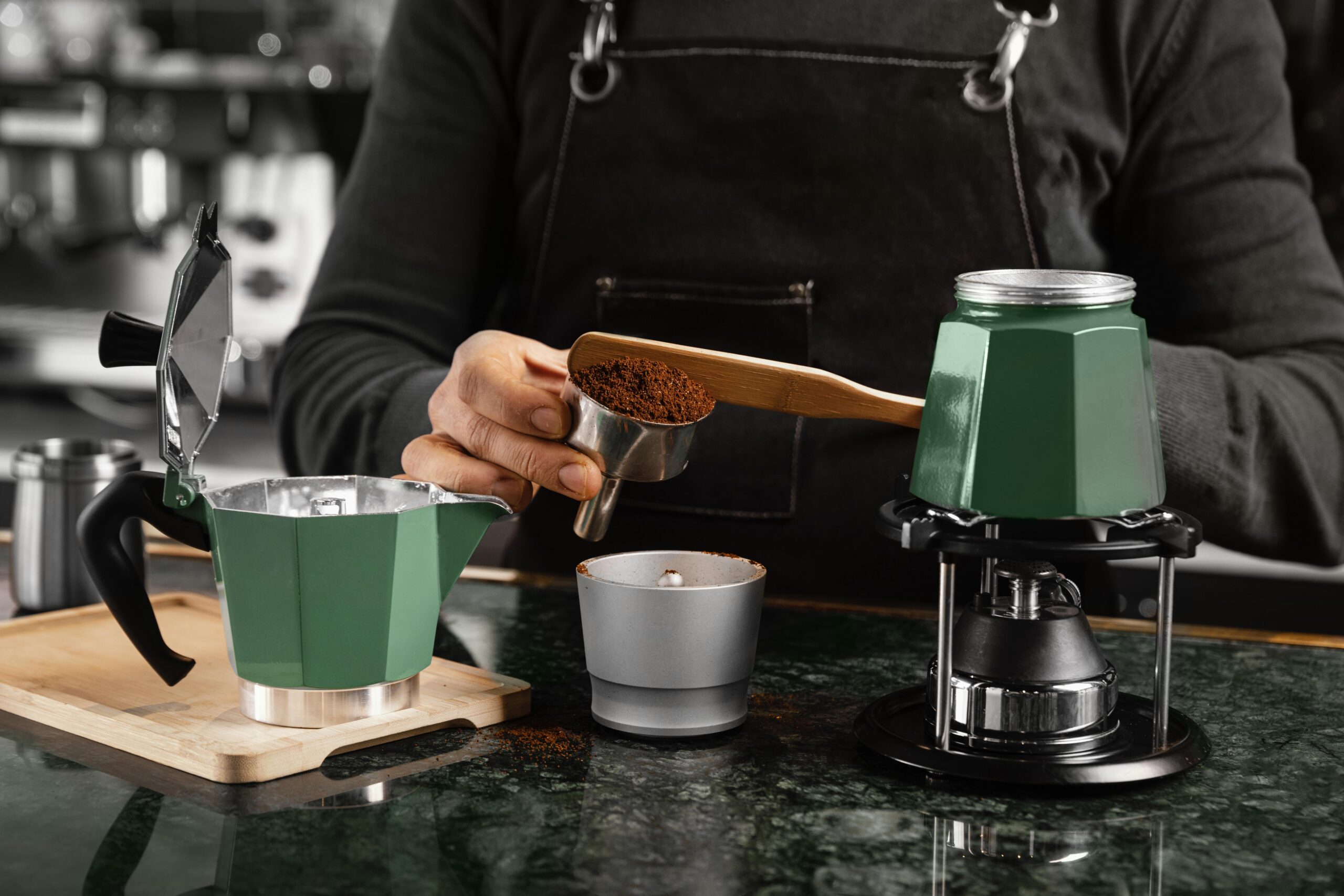
Must-Have Tools Every New Australian Cafe Owner Needs
Starting a cafe in Australia is more than a business decision; it’s about equipping yourself with the must-have tools every new Australian cafe owner needs to succeed in one of the world’s most competitive and quality-driven hospitality scenes. From Melbourne’s iconic laneways to Sydney’s fast-paced streets and Perth’s relaxed café culture, Australians expect consistency, efficiency, and great-tasting coffee.
For new cafe owners, the fit-out phase can feel overwhelming as you balance visual appeal with operational efficiency. Beyond stylish interiors, the real foundation of a sustainable cafe lies in the commercial equipment working quietly behind the scenes to deliver speed, consistency, and compliance.
This guide walks you through the essential tools and equipment your cafe cannot do without, whether you’re opening a cozy suburban café or a busy inner-city coffee spot.
Why the Right Cafe Equipment Matters
Before diving into the equipment list, it’s important to understand why these tools are so crucial.
- Consistency: The right tools help maintain consistent food and beverage quality.
- Efficiency: Commercial-grade equipment speeds up service during peak hours.
- Compliance: Australian food safety regulations require proper storage, cleaning, and food handling systems.
- Scalability: Quality equipment supports growth without constant upgrades.
Investing wisely from the beginning can save thousands in repairs, replacements, and lost productivity.
1. The Foundation: High-Performance Refrigeration
In the Australian climate, refrigeration is not just about storage; it plays a critical role in food safety and in preserving the quality of high-cost ingredients. From specialty milks for baristas to fresh produce for seasonal menus, a reliable cooling system forms the backbone of any commercial kitchen.
One common mistake new cafe owners make is underestimating how much cold storage they actually need. During heatwaves in cities like Brisbane or Adelaide, a domestic fridge simply won’t cope with constant use or temperature fluctuations, which is why commercial fridges designed for hospitality environments are essential.
Ideally, cafes should invest in a combination of upright fridges for back-of-house storage and under-bench units for preparation areas. Under-bench refrigeration keeps ingredients within easy reach, reduces unnecessary movement, and helps maintain fast service during the hectic 11 a.m. brunch rush.
2. Versatility on the Line: Cooking Equipment
Australian cafe menus have evolved far beyond simple toast and jam. Today’s offerings feature wood-fired mushrooms, grilled halloumi, and artisanal steak sandwiches that reflect changing customer expectations and global influences.
To execute a diverse menu without overcrowding your kitchen, versatile cooking stations are essential. If your menu leans toward smoky or rustic flavor profiles, investing in commercial char grills can elevate your dishes by delivering textures and depth of flavor that pan-frying simply can’t replicate, whether you’re searing sourdough, charring seasonal greens, or preparing premium proteins.
Quick Comparison: Choosing Your Primary Cooking Surface
| Tool | Best For | Benefit |
| Flat Top Griddle | Pancakes, Eggs, Bacon | High volume, even heat. |
| Char Grill | Steaks, Halloumi, Veggies | Smoky flavor, aesthetic grill marks. |
| Induction Cooktop | Delicate sauces, poaching | Precision control, cool kitchen. |
3. The Barista’s Best Friend: Hygiene and Speed
In Australia, the “coffee rush” is a daily reality, especially between 7 AM and 9 AM when a single barista can serve hundreds of drinks. During this peak window, cafes quickly accumulate piles of milk jugs, glassware, and demitasse spoons that need to be cleaned immediately.
You can’t afford to have staff tied up hand-washing dishes when speed and consistency matter most. That’s why commercial glass washers are essential, offering rapid wash cycles, high-temperature sanitization, and dedicated cleaning that protects coffee quality by preventing grease residue that can ruin crema and foam.
4. Specialized Prep Gear for Signature Menus
As your cafe grows, you might want to introduce unique elements like house-made pasta or specialty doughs. High-quality prep gear reduces labor costs and ensures consistency.
- For the Bakery-Cafe: If you are making your own bread or pastries, a heavy-duty mixer is vital.
- For the Fusion Cafe: Many Australian cafes now blend Eastern and Western flavors. If your menu includes stir-fry bowls or Asian-inspired breakfast dishes, a high-BTU burner setup is essential.
- For the Pasta House: With the rise of the “all-day Italian” concept, having dedicated pasta cookers can save your chefs from the hassle of boiling multiple pots on a standard stove.
5. Prioritizing Quality and After-Sales Support
When sourcing equipment in Australia, the lowest upfront price often leads to higher costs over time due to poor performance and frequent repairs. It’s essential to choose equipment that complies with MEPS (Minimum Energy Performance Standards) and is backed by a reliable warranty.
A breakdown during a busy Saturday morning can easily cost your cafe thousands in lost revenue and customer trust. Always check whether your supplier offers local technicians and readily available spare parts, because a dependable equipment partner is just as valuable as the machines themselves.
Conclusion: Building a Future-Proof Cafe
The Australian hospitality industry is highly competitive, yet deeply rewarding for business owners who master the fundamentals from the start. By investing in reliable refrigeration, versatile cooking equipment, and efficient cleaning systems, you are not just purchasing tools; you are securing consistency, efficiency, and peace of mind in daily operations.
Customers may walk in for the coffee, but they stay and return for the overall experience. A well-equipped kitchen enables your team to focus on what truly matters: delivering great food, smooth service, and memorable moments for the community you serve.
FAQ (Frequently Asked Questions)
Should I buy new or used equipment?
While used equipment saves upfront costs, it often lacks a warranty and can be less energy-efficient. For “mission-critical” items like fridges or espresso machines, new is usually the safer investment.
How often should I service my commercial kitchen tools?
Most manufacturers recommend a professional service every 6 to 12 months. Regular maintenance for your refrigeration and dishwashing units can prevent major breakdowns during summer.