


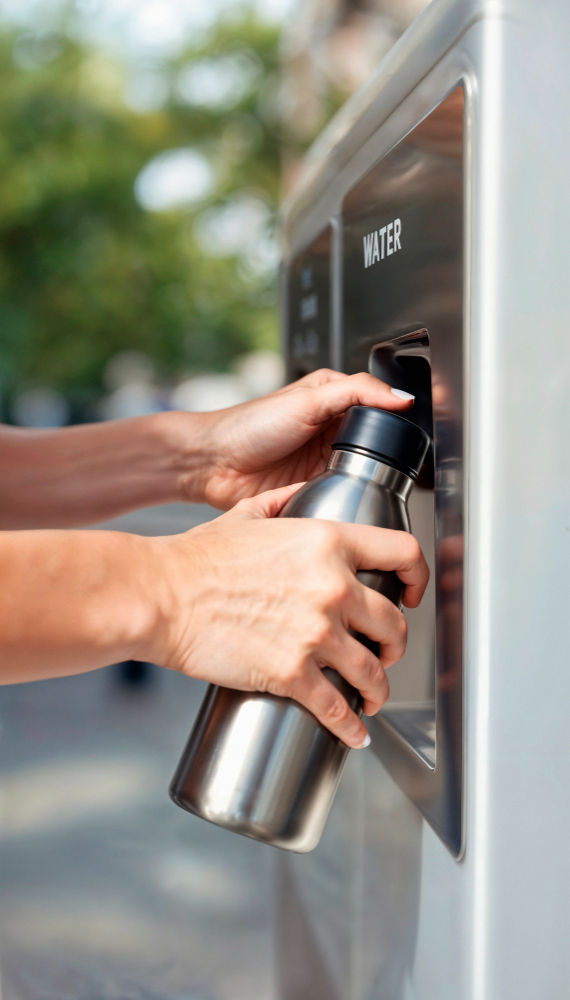
Ice & Water Dispensers for Commercial Use: Types, Benefits, and Key Features
Reliable access to ice and chilled water is critical in commercial kitchens, cafés, bars, offices, and hospitality businesses. Ice and water dispensers provide a convenient, efficient, and hygienic solution for fast-paced operations. By offering instant ice and water on demand, these machines save time, improve workflow, and ensure consistent service quality.
In this guide, we’ll explore the types of ice and water dispensers, their benefits, and the key features you should consider when choosing the right unit for your business.
What Is an Ice & Water Dispenser?
An Ice & Water Dispenser is a commercial appliance that produces and dispenses both ice and chilled water from a single, compact unit. Unlike traditional ice machines that drop ice into an external bin, these systems are fully integrated, ensuring a more sanitary and efficient dispensing process.
Most models support:
-
Touchless or paddle operation
-
Continuous ice production
-
Built-in filtration systems
-
Compact countertop or freestanding designs
These units significantly improve hygiene by limiting hand contact, making them ideal for self-service stations and back-of-house operations.
Why Ice & Water Dispensers Are Essential for Commercial Kitchens
Commercial foodservice environments demand equipment that saves time, reduces contamination risks, and boosts productivity. Ice & water dispensers provide several advantages that make them indispensable.
1. Enhanced Hygiene and Sanitation
Touchless dispensing systems reduce cross-contamination and prevent the spread of germs—crucial for hotels, healthcare centers, and dine-in establishments.
2. Space-Saving and Efficient
By combining two functions into one appliance, operations free up valuable counter and storage space.
3. Consistent Ice Production
Most units generate fresh ice continuously throughout the day, preventing shortages during peak hours.
4. Increased Staff Productivity
No need for staff to scoop ice manually. This speeds up workflow and ensures more consistent service.
5. Energy-Efficient Designs
Modern compressors, insulation improvements, and smart cooling technologies help reduce power consumption.
6. Improved Guest Experience
Customers enjoy fast, sanitary access to clean water and ice—ideal for buffets, beverage stations, and cafeterias.
Types of Ice & Water Dispensers
Ice & water dispensers come in several designs designed to suit different business needs. The three main types include:
### 1. Countertop Ice & Water Dispensers
Compact, efficient, and perfect for areas with limited space.
Best for:
Cafés, offices, waiting rooms, small restaurants.
Key advantages:
-
Uses limited floor space
-
Easy installation
-
Ideal for self-service beverage stations
2. Freestanding Ice & Water Dispensers
High-capacity models suitable for continuous use.
Best for:
Hotels, cafeterias, large restaurants, hospitals.
Advantages:
-
Higher ice output
-
Larger storage bins
-
Heavy-duty construction
3. Wall-Mounted or Modular Units
Customizable systems that connect to existing ice machine heads.
Best for:
High-volume operations requiring flexibility.
Advantages:
-
Allows interchangeable ice machine heads
-
Easy upgrade options
-
Maximizes vertical space
Types of Ice Produced
Choosing the right ice type ensures better beverage quality and operational efficiency.
| Ice Type | Description | Best For |
|---|---|---|
| Nugget Ice | Soft, chewable, absorbs flavor well | Cafés, healthcare, cocktail bars |
| Cube Ice | Traditional hard cubes | Restaurants, hotels, mixed beverages |
| Flake Ice | Soft, moldable, excellent for displays | Seafood, deli counters, buffets |
| Mini Nuggets | Smaller version of nugget ice | Smoothies, sodas, fast-service operations |
Key Features to Look For in an Ice & Water Dispenser
When choosing the best Ice & Water Dispenser, consider the following essential features:
1. Ice Production Capacity
Match the output to your daily beverage demand.
Choose from 100 lbs/day for small cafés to 600+ lbs/day for hotels.
2. Storage Capacity
Larger bins prevent shortages during peak times.
3. Sanitation Technology
Look for:
-
Touchless dispensing
-
Built-in antimicrobial surfaces
-
Self-cleaning cycles
-
Replaceable filters
4. Energy Efficiency
Units with Energy Star certification help reduce operational costs.
5. Noise Levels
Ideal for front-of-house or customer-facing areas.
6. Water Filtration
Ensures pure, fresh-tasting water and ice.
7. Durability & Build Quality
Stainless steel construction resists corrosion and simplifies maintenance.
8. Ease of Installation
Consider drainage requirements, electrical specifications, and ventilation.
Benefits of Using an Ice & Water Dispenser
Here are the most important benefits summarized:
-
Saves space by combining water and ice dispensing
-
Improves hygiene with touchless systems
-
Reduces labor and eliminates scooping
-
Ensures consistent ice quality
-
Supports customer self-service
-
Enhances beverage presentation
-
Boosts operational efficiency
How to Choose the Best Ice & Water Dispenser
Follow these expert criteria to choose the right unit:
1. Identify Your Business Needs
Consider daily foot traffic, beverage menus, self-service stations, and kitchen layout.
2. Match Ice Output With Demand
Higher volumes require machines with larger capacities.
3. Consider the Ice Type
Nugget or cube ice works well for beverages, while flake ice is better for food displays.
4. Evaluate Space Availability
Choose countertop models for small spaces and freestanding models for high-capacity operations.
5. Prioritize Sanitation Features
Choose models with antimicrobial surfaces, UV sanitation, and self-cleaning functions.
6. Check Maintenance Requirements
Removable drip trays, easy-access panels, and washable filters simplify daily care.
7. Review Warranty and After-Sales Support
Choose reputable brands that offer strong warranties and service assistance.
Who Should Use Ice & Water Dispensers?
These dispensers are ideal for:
-
Restaurants and cafés
-
Hotels and resorts
-
Hospitals and clinics
-
Corporate offices
-
Convenience stores
-
Bars and lounges
-
Schools and universities
-
Self-service beverage stations
-
For a guide on choosing flake ice equipment, visit: Flake Ice Makers for Seafood & Display: How to Choose the Right Model
-
Explore more options for related cold storage in the Counter Top Ice Machines category
FAQ: Ice & Water Dispensers
1. How often should a commercial Ice & Water Dispenser be cleaned?
Most manufacturers recommend a deep cleaning every 1–2 weeks and replacing filters every 6 months.
2. What is the most hygienic ice type?
Nugget ice tends to be more sanitary due to its compact size and low contact surfaces.
3. Do these dispensers require special plumbing?
Yes, most units require a water line connection, drainage, and a dedicated electrical outlet.
4. How long does an Ice & Water Dispenser typically last?
With proper maintenance, most units last between 7–10 years.
5. Is a countertop model powerful enough for restaurants?
Yes—many countertop units offer 200–350 lbs/day production, suitable for small and medium foodservice businesses.
Conclusion
A high-quality Ice & Water Dispenser is an essential investment for restaurants, cafés, hotels, healthcare facilities, and beverage-driven businesses. These units improve sanitation, boost productivity, save space, and enhance the guest experience. By choosing a model that aligns with your capacity needs, ice type preference, and space requirements, you can ensure reliable performance and long-term value.
Whether you operate a small café or a large hospitality venue, selecting the right Ice & Water Dispenser ensures clean water, fresh ice, and smooth beverage service throughout the day.