


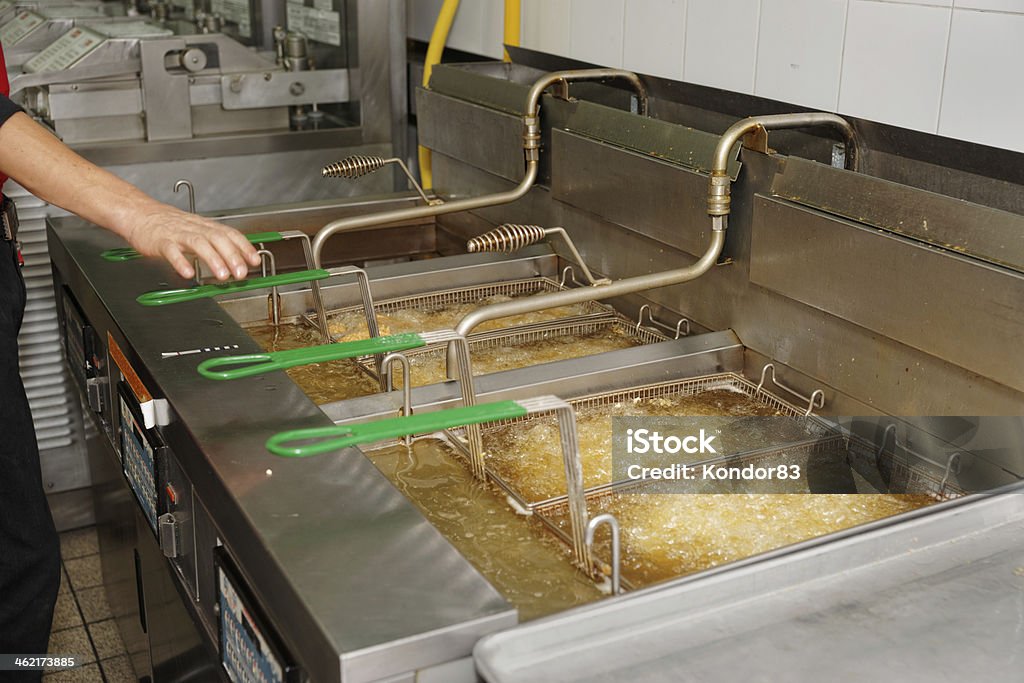
How to Maintain Your Deep Fryer to Make It Last Longer & Save Oil
A commercial deep fryer is one of the most essential pieces of equipment in any restaurant, café, hotel kitchen, or high-volume foodservice environment. Its ability to deliver consistent results, fast production, and profitable menu output makes it a core asset that must be properly maintained. Because deep fryers operate at extremely high temperatures for long periods, proper deep fryer maintenance is crucial—not only for extending equipment lifespan but also for protecting oil quality, improving food consistency, and minimizing operational costs.
This comprehensive guide provides expert, practical, and industry-tested maintenance strategies designed to enhance performance and preserve the long-term value of your commercial fryer.
Why Deep Fryer Maintenance Matters
A well-maintained fryer ensures:
- Better energy efficiency
- Longer-lasting oil
- Consistent cooking temperature
- Lower food wastage
- Reduced risk of equipment breakdown
- Improved food quality and customer satisfaction
Routine maintenance supports overall kitchen performance, guarantees safer operations, and maximizes return on investment (ROI).
Daily and Weekly Cleaning Schedules
Cleanliness is the foundation of a long-lasting fryer. Allowing crumbs, carbon residue, and burnt oils to accumulate accelerates oil breakdown, causes uneven heating, and creates unwanted flavours.
Daily Cleaning Checklist
- Skim floating crumbs during and after each service
- Wipe exterior surfaces to prevent grease accumulation
- Filter the oil daily using a built-in or manual filtration system
- Check the fryer baskets for damage or bent mesh
Weekly Deep Clean (“Boil-Out”) Steps
- Drain all oil and dispose of it safely
- Fill the fry tank with water and approved cleaning solution
- Heat gently to dissolve carbon and residue
- Scrub using a non-abrasive pad
- Rinse thoroughly and dry completely
- Refill with clean, filtered oil
Boil-outs extend tank life, reduce carbon buildup, and ensure accurate temperature control.
Oil Quality, Filtration, and Storage
Oil is the heart of your fryer. Improper oil handling leads to unpleasant food flavour, safety risks, and mechanical strain.
Best Practices for Oil Management
- Use high-smoke-point commercial frying oil
- Filter oil every day
- Do not mix old oil with new oil
- Store new or filtered oil in sealed, dark containers
- Avoid overheating oil beyond its smoke point
Signs Oil Needs Replacement
- Dark brown or milky colour
- Strong burnt smell
- Excessive foaming or smoking
- Food turning greasy instead of crispy
Temperature Stability and Monitoring
Oil temperature directly impacts food quality and equipment life.
Key Temperature Maintenance Practices
- Avoid overloading baskets
- Allow temperature to recover between batches
- Test thermostat accuracy regularly
- Watch for slow temperature recovery (indicator of component wear)
Temperature stability ensures crispy texture, reduced oil absorption, and optimal energy use.
When to Replace Oil: Critical Indicators
Even with proper maintenance, oil has a limited life span. Replace immediately when:
- It becomes thick, gummy, or unusually cloudy
- Food appears unevenly coloured
- Fryer produces continuous smoke or foam
- Oil takes too long to heat up
Sustaining oil quality increases equipment lifespan and improves output consistency.
Inspecting Critical Fryer Components
Routine inspection prevents costly breakdowns and unsafe kitchen conditions.
Components to Inspect Regularly
- Heating elements or gas burners
- Thermostat and temperature sensors
- Safety shut-off valves
- Oil filtration system
- Gas hoses and connections (for gas fryers)
- Fry baskets, crumb screens, and tank interior
Minor issues caught early prevent major failures later.
Choosing a High-Quality Commercial Deep Fryer
High-quality equipment reduces maintenance time, improves heat recovery, and ensures long-term reliability.
Features of a Reliable Commercial Fryer
- Thick stainless steel construction
- Efficient gas or electric heating system
- Easy-access tank design
- Built-in oil filtration
- Energy-efficient burner or element system
For readers seeking a complete buying guide, refer to our blog about essential cooking equipment selection through this internal link: How to Choose Safe and Efficient Gas Cooking Equipment.
To explore related equipment categories, you may also visit our Commercial Cooking Equipment Category.
Comparison Table: Daily vs Weekly Fryer Maintenance
| Maintenance Type | Tasks Included | Frequency | Purpose |
|---|---|---|---|
| Daily Maintenance | Skimming crumbs, wiping surfaces, filtering oil | Every day | Maintains oil quality & hygiene |
| Weekly Maintenance (Boil-Out) | Drain tank, fill with solution, heat, scrub, rinse | Once per week | Removes carbon buildup & improves efficiency |
| Component Inspection | Checking sensors, burners, valves, filtration system | Weekly / Monthly | Prevents breakdowns & ensures safety |
As industry professionals with experience in commercial kitchen operations, here are expert recommendations:
- Follow manufacturer guidelines for safe operation
- Use only food-safe cleaning chemicals designed for fryers
- Schedule professional servicing at least once a year
- Document all maintenance routines for tracking performance
- Educate kitchen staff on oil handling and safety protocols
These practices ensure both safety and maximum fryer performance.
Frequently Asked Questions (FAQ)
1. How often should I perform a boil-out cleaning?
A boil-out should be performed once per week for busy kitchens, or every two weeks for low-volume operations. It removes carbon buildup and maintains tank hygiene.
2. Why is my fryer oil breaking down so quickly?
Common causes include overheating, lack of filtration, overloading baskets, or mixing old oil with new oil. Daily filtration significantly slows oil degradation.
3. How do I know if my thermostat is inaccurate?
Signs include uneven cooking, slow recovery, and oil that smokes at a lower temperature than usual. Use an external thermometer to verify accuracy.
4. Can using the wrong oil damage the fryer?
Yes. Low-grade oil breaks down faster, clogs components, and increases carbon buildup on heating elements, reducing efficiency and lifespan.
5. What is the most cost-effective way to extend fryer life?
Routine filtration, scheduled boil-outs, equipment inspections, and using high-quality oil dramatically reduce long-term costs and equipment stress.
Conclusion: Maximize ROI Through Professional Maintenance
Proper deep fryer maintenance is essential for ensuring food consistency, equipment safety, and long-term profitability in any commercial kitchen. By implementing daily cleaning routines, weekly boil-outs, oil quality management, and regular inspections, you can significantly extend the lifespan of your fryer while reducing operational costs.
A well-maintained fryer is not just a kitchen appliance—it is a powerful business asset contributing directly to food quality, customer satisfaction, and kitchen efficiency.
Explore more equipment insights and professional-grade solutions through Atlantic’s trusted range of commercial cooking equipment.