


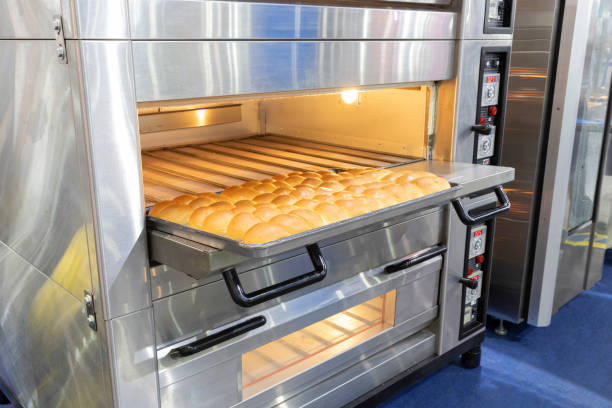
How to Choose the Right Commercial Oven for Restaurants and Bakeries
Choosing the best commercial oven is one of the most important decisions for restaurants, bakeries, cafés, catering services, and large-scale food production businesses. A commercial oven serves as the backbone of kitchen operations—affecting food quality, cooking consistency, speed, energy usage, and overall workflow. Selecting the right oven is not simply a matter of picking the most powerful model; it requires understanding your menu, kitchen layout, production volume, and long-term operational needs.
This comprehensive guide explains everything you need to know about choosing the right commercial oven, including types, key features, buying considerations, maintenance tips, and expert insights.
To explore more essential equipment guides, you may also read our blog post on How to Choose Safe and Efficient Gas Cooking Equipment.
For related appliances, visit our Cooking Equipment Category.
Why Choosing the Right Commercial Oven Matters
In a busy commercial kitchen, the right oven directly influences productivity and consistency. A well-selected oven contributes significantly to:
-
Consistent heat distribution for reliable cooking results
-
Faster food production during peak hours
-
Lower energy consumption and reduced operating costs
-
Improved workflow and staff efficiency
-
Extended equipment lifespan
-
Better quality control for baked goods, roasted items, and specialty dishes
A commercial oven that suits your needs ensures your kitchen can deliver high-quality results—even during the busiest service periods.
Key Factors to Consider When Choosing a Commercial Oven
Menu Requirements
Your menu determines the type of oven that best supports your operations. Different food items demand distinct cooking techniques:
-
Steam injection for pastries, breads, and artisan baked goods
-
High-temperature roasting for meats
-
Precise heat control for cakes and delicate desserts
-
Multi-functional capabilities for restaurants with diverse menus
Understanding your daily production and the nature of your dishes helps you select the most efficient oven type.
Oven Capacity and Size
Proper space planning is essential in commercial kitchens. Consider these factors:
-
Total available kitchen space
-
Required tray/rack capacity
-
Expected food production volume
-
Possible business expansion in the future
Choosing the right capacity helps avoid workflow disruptions and supports smooth operations during peak hours.
Types of Commercial Ovens
Commercial ovens come in various designs to support different cooking processes. Below are the most common types and their ideal uses.
Convection Oven
-
Uses a fan to circulate hot air
-
Provides even cooking and faster results
-
Suitable for restaurants, cafés, and bakeries
Combi Oven
-
Combines steam and convection heating
-
Perfect for multi-function cooking, steaming, roasting, baking, and reheating
-
Offers precise temperature and moisture control
Deck Oven
-
Ideal for bakeries and pizzerias
-
Excellent heat retention and consistent baking results
Conveyor Oven
-
Best for high-volume operations such as pizza chains and fast-food kitchens
-
Ensures consistent cooking with minimal supervision
Rotary Rack Oven
-
Often used in industrial bakeries
-
Supports high-volume production and uniform baking
Fuel Type: Gas or Electric?
Choosing between gas and electric ovens depends on your kitchen utilities and cooking requirements.
Gas Ovens
-
Heats up quickly
-
Offers lower long-term operating costs
-
Preferred for high-volume restaurants
Electric Ovens
-
Provides precise temperature control
-
Easier installation
-
Better suited for delicate bakery items
Energy Efficiency Considerations
Energy-efficient ovens help reduce utility costs and support sustainable kitchen operations. Look for features such as:
-
High-quality insulation
-
Efficient heating elements
-
Steam recycling systems (especially in combi ovens)
-
Energy Star certification
Although energy-efficient models may be more expensive initially, they offer long-term savings.
Build Quality and Durability
A commercial oven must endure continuous daily use. Consider ovens made with:
-
Stainless steel exterior and interior
-
Reinforced, heat-resistant doors
-
High-quality heating elements
-
Reliable thermostats and digital controls
Choosing durable materials reduces maintenance and repair costs.
Comparison Table: Popular Types of Commercial Ovens
| Oven Type | Best For | Key Features | Ideal Businesses |
|---|---|---|---|
| Convection Oven | Everyday cooking & baking | Even heat circulation, quick cooking | Restaurants, cafés, bakeries |
| Combi Oven | Versatile menus | Steam + convection, precise control | Hotels, catering, fine dining |
| Deck Oven | Baking bread & pizzas | High heat retention | Pizzerias, artisan bakeries |
| Conveyor Oven | High-volume production | Continuous cooking, consistent results | Fast-food, pizza chains |
| Rotary Rack Oven | Large-scale baking | Rotating racks, uniform baking | Industrial bakeries |
Maintenance Tips to Extend Oven Lifespan
Proper maintenance ensures longevity and consistent performance. Follow these professional recommendations:
-
Clean the oven interior daily
-
Remove crumbs, residue, and buildup from trays and racks
-
Descale steam systems regularly (for combi ovens)
-
Inspect heating elements and fans
-
Schedule routine servicing by certified technicians
Consistent maintenance helps prevent breakdowns and maintains optimal cooking results.
Expert Tips for Selecting the Perfect Oven
-
Choose an oven that matches your highest production demand, not just your average volume
-
Prioritize models with digital controls for better consistency
-
Evaluate serviceability—are parts easy to replace?
-
Consider the reputation of the manufacturer and service support availability
-
Always measure your doorway and kitchen paths before ordering
FAQ – Commercial Oven Selection
1. What is the best type of commercial oven for a high-volume restaurant?
For high-volume restaurants, convection ovens and combi ovens are typically the most efficient. Convection ovens provide rapid, even heat distribution, while combi ovens offer versatile cooking modes suitable for large menu varieties. The right choice depends on whether your kitchen prioritizes speed, versatility, or both.2. How do I determine the correct oven capacity for my business?
Capacity should reflect your peak-hour production volume. Consider how many trays or racks you need during rush periods and evaluate whether your kitchen has enough space to accommodate a larger unit. Planning for future business growth also helps avoid bottlenecks.3. Are gas ovens more efficient than electric ovens?
Gas ovens generally heat faster and operate at a lower long-term cost, making them ideal for busy restaurants. Electric ovens offer more precise temperature control, making them popular in bakeries and pastry kitchens. The most efficient choice depends on your menu and available utilities.4. How often should a commercial oven be serviced?
Routine professional servicing is recommended every 6–12 months, depending on usage volume. Regular cleaning—such as daily crumb removal, wiping interior surfaces, and descaling steam components—helps maintain efficiency and prolong equipment life.5. What features should I prioritize for energy efficiency?
Look for ovens with strong insulation, durable heating elements, steam recycling (for combi ovens), programmable controls, and an Energy Star rating. These features significantly reduce energy consumption and long-term operational costs.6. Can one oven type handle all cooking methods?
No single oven can cover every cooking method perfectly. However, combi ovens come closest, offering convection, steam, and combination modes. They are ideal for kitchens that require extensive menu versatility.7. What is the average lifespan of a commercial oven?
A high-quality commercial oven can last 10–15 years or longer with proper maintenance. Lifespan varies depending on build quality, daily usage hours, maintenance consistency, and the oven’s operating environment.
Conclusion
Selecting the right commercial oven is crucial for ensuring food quality, operational efficiency, and cost-effectiveness in any professional kitchen. By understanding your menu requirements, oven types, available space, fuel options, and long-term business goals, you can confidently choose an oven that enhances your kitchen’s performance.
Whether you operate a bakery, restaurant, café, or catering service, investing in the right commercial oven will elevate your productivity and help you deliver consistently exceptional results.
Explore more professional equipment options in our Cooking Equipment category and continue learning through our detailed industry guides.