


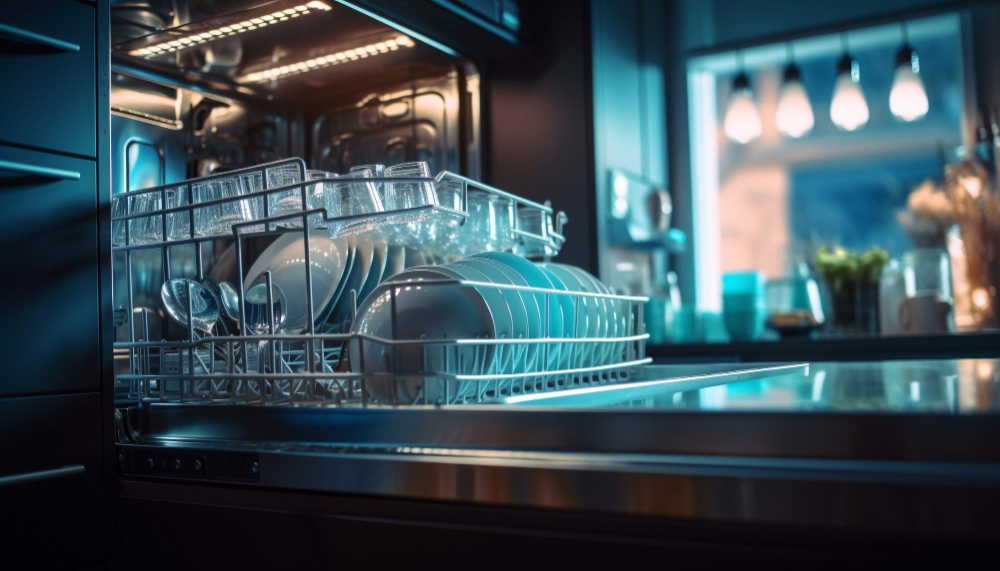
How to Choose the Right Commercial Dishwasher for Busy Kitchens
In a busy restaurant, café, or hospitality venue, selecting the right commercial dishwasher is critical to maintaining high standards of cleanliness, hygiene, and efficiency. A well-chosen dishwasher can transform your “dish pit” from a bottleneck into a productivity engine — ensuring dishes, glassware, and utensils are clean, sanitised, and ready for use with minimal downtime.
This guide walks you through everything you need to know when buying a commercial dishwasher: from types and capacities to installation considerations, maintenance tips, and long-term ownership factors.
Why a Commercial Dishwasher Matters
A domestic dishwasher just isn’t enough for a commercial kitchen. In contrast, a true commercial dishwasher offers:
- Rapid wash cycles (often 1–3 minutes) for high throughput
- Capacity to handle racks upon racks of dishes, glasses, and utensils per hour
- High-temperature or chemical sanitisation — ensuring hygiene compliance for foodservice businesses
- Durability and build quality suited for continuous daily use
With the right dishwasher, you minimise manual labor, reduce water and energy waste, maintain consistent hygiene standards, and improve overall kitchen workflow.
Types of Commercial Dishwashers & Their Best Uses
Different kitchen sizes, dish volumes, and workflow styles demand different dishwasher types. Here’s a breakdown:
| Type of Dishwasher | Best For | Approximate Capacity* | Key Strengths |
|---|---|---|---|
| Undercounter | Small cafés, bars, limited-space kitchens | 20–35 racks/hour | Compact size, quick cycles, low footprint |
| Pass-Through / Hood-Type | Medium restaurants, steady volume kitchens | 40–60 racks/hour | Ergonomic loading, balanced output |
| Conveyor / Flight | Large restaurants, hotels, catering halls | 100–200+ racks/hour | High capacity, continuous flow, minimal manual handling |
| Glass Washer | Bars, pubs, beverage-heavy venues | varies | Optimised for glassware — prevents streaks, breakage |
*Capacity varies depending on model, wash settings, and load type — always verify manufacturer specifications.
Key Considerations When Selecting a Dishwasher
1. Capacity vs. Workflow Demand
Estimate your daily dish load and peak-hour demand. Undersized units cause bottlenecks; oversized units waste energy and space.
2. Space, Layout & Installation Needs
- Floor space and layout (entry/exit for racks) must be measured carefully.
- Plumbing (drain, water supply), power supply (often 3-phase for high-temp units), and possible ventilation need to be planned.
3. Energy & Water Efficiency
Modern dishwashers can significantly cut water and electricity usage per wash cycle. Look for low-water consumption, efficient heaters/pumps, and “eco-wash” modes.
4. Sanitisation & Hygiene Compliance
Choose machines that meet local food-safety standards (e.g. high-temp sanitising 82–90 °C or approved chemical sanitisation). This ensures plates and glassware are safe for reuse.
5. Maintenance, Durability & Service Support
Commercial use demands robust construction (stainless steel, strong pumps, easy-access parts). Also, ensure spare parts are readily available and local technical support exists.
6. Noise & Operational Workflow Impact
In open-kitchen or front-of-house adjacent setups, noise level matters. Choose models with acceptable decibel ratings and vibration control.
Pros & Cons Comparison Table
| Feature / Factor | Benefit | Potential Drawback |
|---|---|---|
| High-speed washing | Fast turnaround | Higher energy & water use per hour |
| High-temp sanitisation | Better hygiene compliance | Requires strong water heater / 3-phase power |
| Conveyor systems | Handles large volumes | Requires large space & higher upfront cost |
| Undercounter units | Compact, low footprint | Limited capacity, slower throughput |
| Eco/water-efficient models | Lower utility bills | Slightly higher purchase cost |
- Perform daily cleaning: remove food residues, debris; clear filters.
- Run sanitisation cycles after each service day to meet hygiene standards.
- Schedule periodic maintenance (pump, heater, spray arms, seals) with certified technician.
- Maintain operation logs: useful for quality control and compliance audits.
- Train staff properly: correct loading/unloading, pre-rinse habits, proper detergent/rinse aid usage.
These practices extend equipment lifespan, prevent breakdowns, and ensure consistent dish quality and hygiene.
Frequently Asked Questions (FAQ)
1. What is the minimum dishwasher capacity for a small café?
For small cafés, an undercounter dishwasher (≈ 20–35 racks/hour) typically suffices, provided daily dish volume isn’t excessive.
2. What’s better: high-temp or chemical sanitisation?
High-temp (≈ 82–90 °C) sanitises effectively and dries faster; chemical sanitisation may suit low-temp units but depends on local regulations.
3. How often should filters and spray arms be cleaned?
Daily for debris removal; deep cleaning weekly; full inspection & maintenance every 3–6 months.
4. Do conveyor dishwashers need special layout?
Yes — they require generous space for input/output tables, drainage, and operator workflow to avoid bottlenecks.
5. Can I retrofit a domestic dishwasher?
No, domestic models aren’t built for continuous high-volume use and lack required sanitisation, power, and durability standards.
6. How much water does a commercial dishwasher use per cycle?
Modern efficient models may use as little as 2–3 liters per rack, but usage varies by model, cycle settings, and load.
7. What is the expected lifespan of a good commercial dishwasher?
With proper maintenance, most units last 7–12 years, depending on usage intensity and maintenance regimen.
Final Thoughts: Invest Smart for Long-Term Efficiency
Selecting the right commercial dishwasher goes beyond simply picking a machine — it’s about understanding your kitchen’s workflow, dish volume, layout constraints, and hygiene requirements. A smart choice enhances kitchen productivity, reduces labor and utility costs, and maintains high standards of cleanliness.
For additional appliance options to support your kitchen operations, check our Commercial Kitchen Equipment catalog here.
To expand your understanding of cold storage and refrigeration solutions, also explore our guide on How to Choose the Best Commercial Ice Machine for Your Business.
Investing wisely now ensures your kitchen stays efficient, compliant, and ready for even the busiest service hours.