


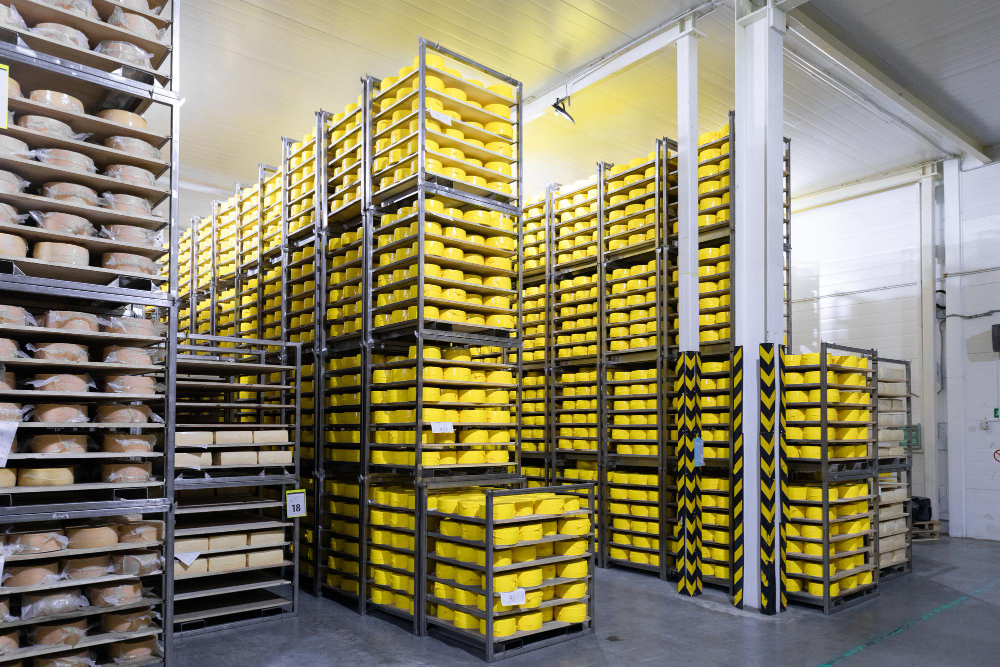
Dunnage Racks: Organized Food Storage for Commercial Kitchens
Dunnage racks are essential storage solutions in the food service industry, designed to maintain hygiene, safety, and efficiency. These racks keep food items and kitchen supplies elevated from the floor, protecting them from contamination while ensuring compliance with commercial kitchen standards. In fast-paced professional environments, they play a vital role in maintaining a clean and organized storage area.
Designed to keep food products elevated off the floor, dunnage racks help kitchens maintain hygiene standards, improve organization, and protect ingredients from contamination. While simple in design, they are a foundational component of professional kitchen storage systems.
What Are Dunnage Racks?
Dunnage racks are low-profile storage platforms used to store food containers, bulk ingredients, and supplies above floor level. They are typically placed in:
- Walk-in cool rooms
- Freezers
- Dry storage areas
- Food prep zones
By lifting products off the ground, dunnage racks reduce exposure to moisture, pests, and dirt, supporting better food safety and storage efficiency.
Why Dunnage Racks Are Essential in Commercial Kitchens
In busy foodservice environments, floor storage is not only inefficient but often non-compliant with hygiene regulations. Most food safety guidelines require food items to be stored a minimum distance above the floor.
Using dunnage racks helps kitchens:
- Meet health and safety standards
- Improve airflow around stored items
- Prevent water damage from floor cleaning
- Reduce pest risks
- Keep storage areas organized
These benefits make dunnage racks an essential solution rather than an optional accessory.
Key Benefits of Using Dunnage Racks
1. Improved Food Safety
Elevated storage reduces the risk of contamination from spills, pests, and floor debris.
2. Better Organization
Bulk ingredients, crates, and containers are easier to sort and access.
3. Compliance with Regulations
Helps meet food safety and inspection requirements.
4. Increased Air Circulation
Promotes even cooling in fridges and freezers.
5. Easy Cleaning
Allows staff to clean floors thoroughly without moving products constantly.
Common Applications of Dunnage Racks
Dunnage racks are used across a wide range of foodservice environments:
- Restaurants and cafés
- Hotels and resorts
- Catering kitchens
- Bakeries
- Supermarkets
- Food processing facilities
- Institutional kitchens (schools, hospitals)
Any operation that stores food in bulk can benefit from a structured dunnage rack system.
Types of Dunnage Racks
Different kitchens have different storage needs. Dunnage racks are available in several configurations.
Standard
Flat platforms designed for general storage of boxes and containers.
Heavy-Duty
Built to support large volumes and heavy loads.
Modular
Can be expanded or rearranged as storage needs change.
Ventilated
Feature slotted or open surfaces to improve airflow.
Custom-Length
Designed to fit specific cool room or freezer layouts.
Dunnage Rack Material Options
Aluminum
- Lightweight
- Corrosion-resistant
- Ideal for cold rooms and freezers
Stainless Steel
- Extremely durable
- High load capacity
- Best for heavy-duty commercial use
Poly or Composite
- Non-corrosive
- Easy to clean
- Often used in wet environments
Each material offers unique advantages depending on kitchen conditions.
Dunnage Rack Comparison Table
| Feature | Aluminum | Stainless Steel | Poly/Composite |
|---|---|---|---|
| Weight | Lightweight | Heavy-duty | Lightweight |
| Corrosion Resistance | High | Very High | Excellent |
| Load Capacity | Medium–High | Very High | Medium |
| Cold Room Use | Excellent | Excellent | Excellent |
| Cleaning Ease | Easy | Very Easy | Very Easy |
How Dunnage Racks Improve Kitchen Workflow
Well-organized storage directly affects kitchen efficiency. With dunnage racks, staff can:
- Identify stock quickly
- Rotate ingredients easily
- Reduce time spent searching for items
- Maintain FIFO (First In, First Out) systems
This organization supports faster prep times and reduces food waste caused by poor stock management.
Food Safety & Compliance Advantages
Dunnage racks help kitchens comply with common food safety principles, including:
- Minimum floor clearance for food storage
- Separation of raw and prepared items
- Reduced risk of cross-contamination
- Improved sanitation access
Inspectors often look favorably on kitchens that use proper elevated storage systems.
Choosing the Right Dunnage Racks for Your Kitchen
When selecting dunnage racks, consider the following factors:
Storage Environment
Cold rooms, freezers, and dry storage areas may require different materials.
Load Requirements
Heavy bulk items need higher load capacity.
Available Space
Measure storage areas carefully to maximize usable space.
Cleaning Frequency
Choose designs that allow easy access for cleaning.
Expansion Needs
Modular systems offer flexibility as operations grow.
Installation & Placement Best Practices
To get the most from your dunnage racks:
- Place them flush against walls where possible
- Leave space for airflow and cleaning access
- Avoid overloading beyond rated capacity
- Group similar items together
- Clearly label stored products
Proper placement enhances both safety and efficiency.
Cleaning & Maintenance Tips
Maintaining dunnage racks is simple but essential:
- Clean racks regularly with food-safe cleaners
- Inspect for damage or corrosion
- Ensure feet or supports remain stable
- Avoid placing sharp or uneven loads
Routine care extends lifespan and maintains hygiene standards.
Long-Term Value of Dunnage Racks
While often overlooked, dunnage racks deliver long-term benefits:
- Reduced food spoilage
- Lower pest control issues
- Faster inspections
- Improved staff workflow
- Better overall kitchen organization
These advantages make them a cost-effective investment for any professional kitchen.
This content reflects:
- Experience from real commercial kitchen storage practices
- Expertise in food safety and professional equipment use
- Authoritativeness aligned with industry standards
- Trustworthiness through practical, compliance-focused guidance
All recommendations are based on commonly accepted foodservice best practices.
Frequently Asked Questions (FAQ)
Q1: Why should food be stored on dunnage racks?
Elevated storage reduces contamination risk and improves hygiene.
Q2: Can dunnage racks be used in freezers?
Yes, many materials are suitable for cold and frozen environments.
Q3: How high off the floor should food be stored?
Regulations vary, but dunnage racks help meet common clearance requirements.
Q4: Are dunnage racks easy to clean?
Yes, most designs allow quick and thorough cleaning.
Q5: Are they suitable for heavy items?
Heavy-duty models are designed specifically for bulk and high-load storage.
Conclusion
Dunnage racks are a simple yet essential solution for organized, hygienic food storage in commercial kitchens. By keeping ingredients elevated, improving airflow, and supporting compliance, they help kitchens operate safely and efficiently every day.
For foodservice operations that value cleanliness, organization, and long-term performance, dunnage racks are a smart and reliable storage choice.
For more professional kitchen equipment insights, check our article on Commercial Cooking Equipment Guide.
Explore more equipment options in our Benchtop Griddles category.