

Doner Kebab Machines: What to Look for Before Buying
Doner kebabs have become a beloved staple in fast-food and casual dining worldwide. For restaurants, food trucks, or catering businesses, a reliable doner kebab machine is essential to prepare juicy, high-quality kebabs consistently. Choosing the right machine not only ensures efficiency and safety but also improves food quality and customer satisfaction.
This guide explores different types of doner kebab machines, key features, maintenance tips, and expert advice to help you select the best machine for your kitchen.
1. What Are Doner Kebab Machines?
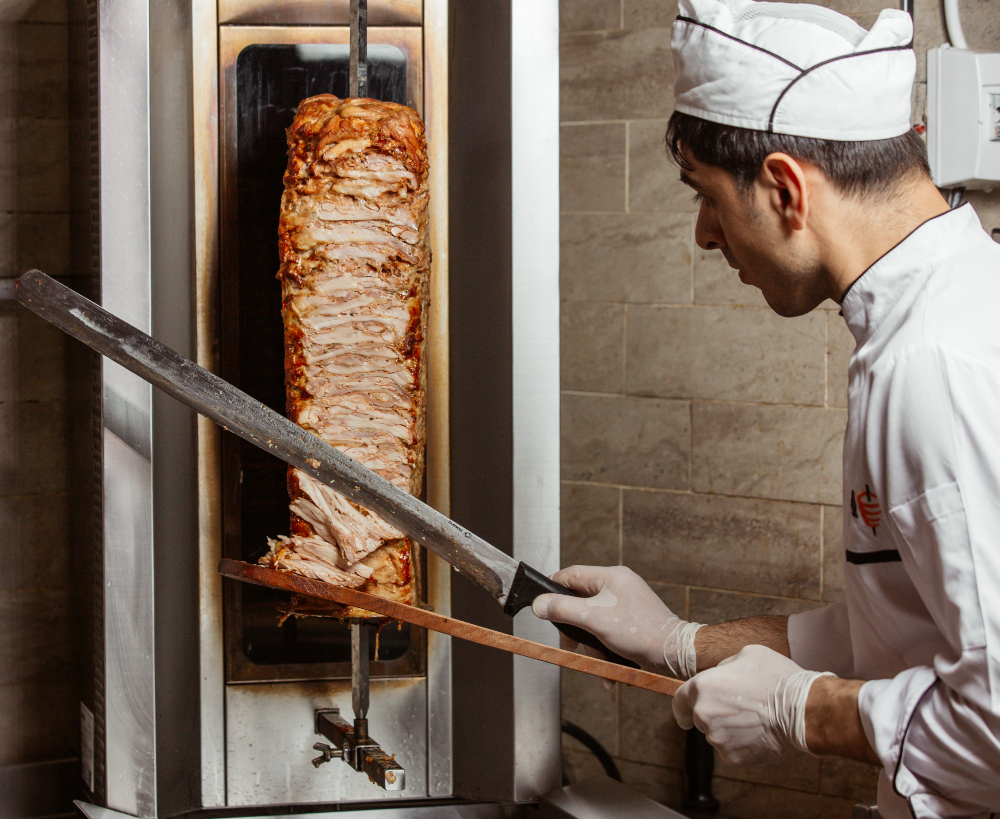
A doner kebab machine is a specialized appliance used to cook vertical rotisserie meat, including beef, chicken, lamb, or mixed meats. The machine uses vertical heating elements to cook the meat evenly while allowing excess fat to drain away. Modern doner kebab machines are available in electric and gas versions and vary in size, capacity, and features, making them suitable for different kitchen setups.
For more kitchen equipment insights, you can check our Dim Sum Steamers: A Complete Guide for Asian Restaurant or explore the Commercial Kitchen Equipment Category.
2. Types of Doner Kebab Machines
Understanding the types of machines helps you choose the one that matches your kitchen workflow.
a. Electric Doner Kebab Machines
- Ideal for indoor kitchens or small businesses
- Provides consistent heat and even cooking
- Equipped with adjustable temperature controls and timers
Pros: Energy-efficient, precise cooking, easy to maintain
Cons: Slower heating for large meat cones compared to gas
b. Gas Doner Kebab Machines
- Perfect for high-volume kitchens and commercial operations
- Heats up quickly for fast service
- Suitable for thicker meat cones due to strong heating power
Pros: Faster cooking, traditional flavor, high capacity
Cons: Requires proper ventilation and gas supply
c. Compact / Countertop Machines
- Designed for food trucks, takeaway outlets, and small shops
- Space-saving without compromising quality
- Typically lower capacity but highly portable
Pros: Ideal for small kitchens, mobile operations
Cons: Limited volume, not suited for high-demand restaurants
d. Full-Size Vertical Rotisserie Machines
- Best for large restaurants or high-demand locations
- Can accommodate multiple meat cones simultaneously
- Built for continuous commercial use
Pros: High capacity, robust construction, efficient for peak hours
Cons: Requires larger kitchen space and higher investment
3. Key Features to Consider Before Buying a Doner Kebab Machine
Choosing the right machine involves more than size. Here’s a detailed breakdown:
| Feature | Importance |
|---|---|
| Capacity | Match the machine size to daily sales volume to avoid underperformance. |
| Heating Source | Electric: safer for small kitchens. Gas: faster cooking, suitable for high-volume operations. |
| Material & Durability | Stainless steel is ideal for hygiene, durability, and ease of cleaning. |
| Safety Features | Protective guards, automatic shut-off, and stable construction prevent accidents. |
| Ease of Cleaning | Removable drip trays, smooth surfaces, and easy-access heating elements simplify maintenance. |
| Temperature Control | Adjustable heat settings and rotating meat cones ensure evenly cooked meat. |
4. Tips for Maintaining Your Doner Kebab Machine
Regular maintenance prolongs the machine’s life and ensures optimal performance:
- Clean the machine daily to prevent grease buildup
- Inspect burners or heating elements for efficiency
- Empty and sanitize drip trays frequently
- Lubricate rotating parts if recommended by the manufacturer
- Store in a dry area when not in use to prevent corrosion
- Schedule periodic professional servicing for electric or gas components
5. Benefits of Investing in a Quality Doner Kebab Machine
- Consistent Quality: Guarantees evenly cooked, juicy kebabs every time
- Efficiency: Speeds up preparation compared to manual cooking methods
- Hygiene & Safety: Commercial machines reduce contamination risks and protect staff
- Customer Satisfaction: High-quality kebabs improve reputation and repeat business
Additional advantages include reduced food waste due to even cooking, lower labor costs, and the ability to serve larger volumes during peak hours.
6. Buying Checklist for Doner Kebab Machines
Before making a purchase, consider the following checklist:
- ✅ Determine daily serving volume and machine capacity
- ✅ Choose the appropriate heating source (electric vs. gas)
- ✅ Verify materials: stainless steel or heavy-duty construction
- ✅ Ensure safety features and protective elements
- ✅ Confirm ease of cleaning and maintenance requirements
- ✅ Evaluate warranty and after-sales support
- ✅ Check size and footprint for kitchen layout
7. Frequently Asked Questions (FAQ)
Q1: Can one doner kebab machine handle multiple types of meat?
A: Yes, most machines can cook beef, chicken, and lamb on separate cones or in sequence.
Q2: Are gas machines better than electric ones?
A: Gas machines heat faster and suit high-volume operations, while electric machines are ideal for indoor spaces and small kitchens.
Q3: How often should I clean my doner kebab machine?
A: Daily cleaning of drip trays and surfaces is recommended. Regular maintenance ensures hygiene and longevity.
Q4: Can compact machines produce restaurant-quality kebabs?
A: Yes, for small-scale operations or food trucks, compact machines deliver excellent results if managed properly.
Q5: What is the lifespan of a commercial doner kebab machine?
A: With proper maintenance, high-quality stainless steel machines can last 5–10 years or more.
8. Conclusion
Investing in the right doner kebab machine is crucial for any business serving kebabs, from restaurants to food trucks and catering services. By considering capacity, heating type, material, safety features, and maintenance requirements, you can select a machine that guarantees consistent quality, efficiency, and customer satisfaction. A well-maintained machine not only ensures authentic, delicious kebabs but also supports smooth kitchen operations, improved workflow, and business growth.