


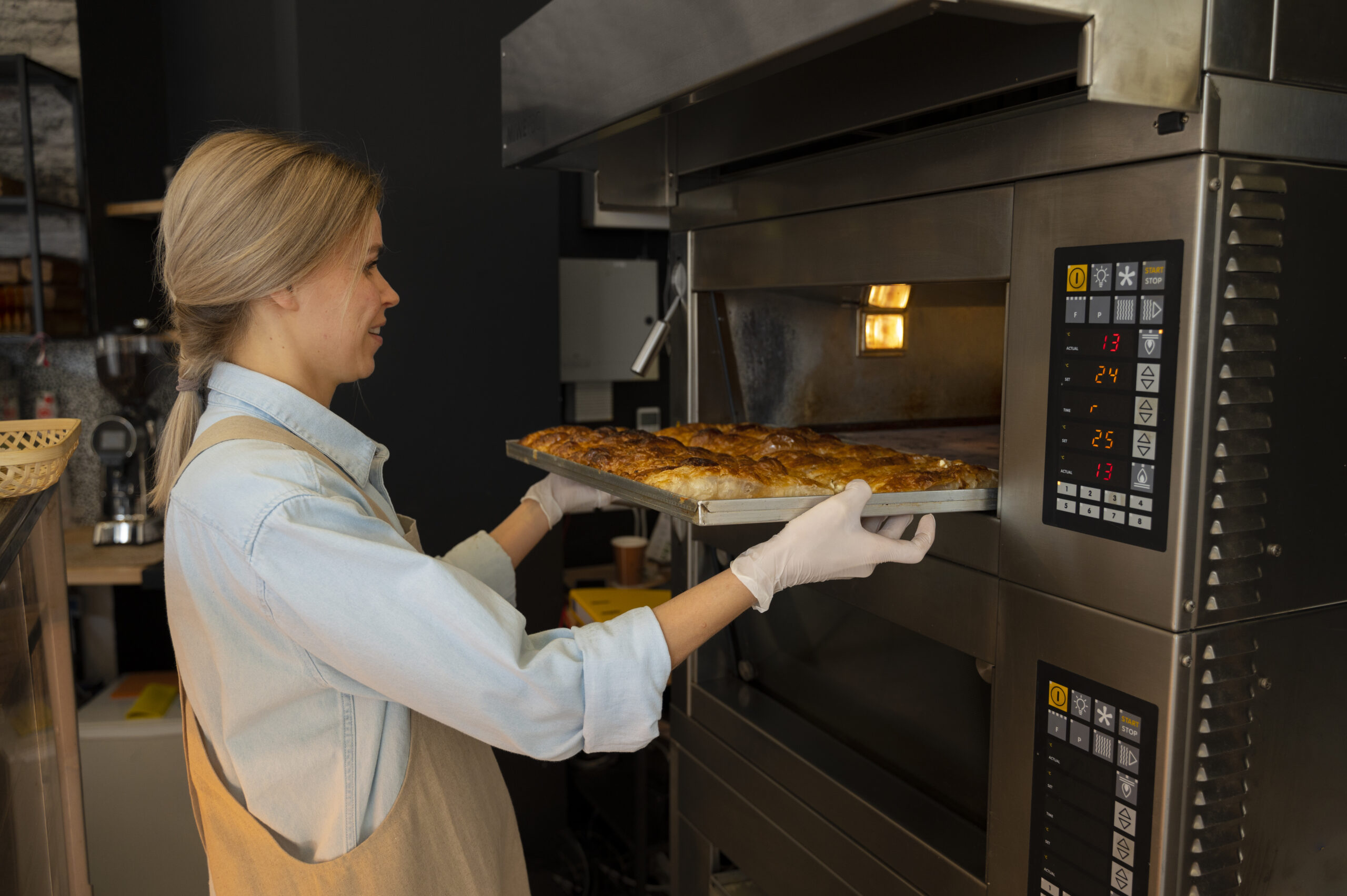
Convection Ovens vs Standard Ovens: Which Is Better?
Introduction
Choosing the right oven is essential for any food business, restaurant, or commercial kitchen. Two of the most commonly used oven types are convection ovens and standard ovens. Although they look similar, they operate differently and produce different cooking results. This guide explains the key differences, pros, cons, and which one is best suited for your business.
What Are Convection Ovens?
Convection ovens are designed with a built-in fan and exhaust system that circulate hot air evenly throughout the oven cavity. This airflow helps food cook faster and more consistently.
How Convection Ovens Work
-
The internal fan circulates hot air.
-
Heat distribution becomes more consistent.
-
Reduces hot spots inside the oven.
Best Uses for Convection Ovens
Convection ovens are ideal for:
-
Pastries and baked goods
-
Roasting meats and vegetables
-
High-volume batch cooking
-
Commercial bakeries, cafés, and busy restaurants
What Are Standard Ovens?
Standard ovens—also known as conventional ovens—heat food using static heat from either the top or bottom heating elements. These ovens do not use a fan to circulate air.
How Standard Ovens Work
-
Heat stays still inside the cavity.
-
Temperature rises more slowly and may be uneven.
-
Suitable for recipes sensitive to airflow.
Best Uses for Standard Ovens
-
Cheesecakes
-
Delicate baked goods
-
Home-style cooking
-
Recipes that require slow, stable heat
Key Differences Between Convection and Standard Ovens
| Aspect | Convection Ovens | Standard Ovens |
|---|---|---|
| Heating Method | Fan-forced hot air | Static heat |
| Cooking Speed | 20–30% faster | Slower |
| Cooking Consistency | Very even | Prone to hot spots |
| Energy Efficiency | More efficient | Less efficient |
| Food Suitability | Pastries, roasting, high-volume cooking | Delicate cakes & sensitive recipes |
| Price | Usually higher | More affordable |
Advantages of Convection Ovens
✔ Faster Cooking Times
The circulated heat drastically reduces cooking time.
✔ More Even Cooking Results
Prevents overcooked and undercooked sections.
✔ Energy Efficient
Shorter cooking times mean lower overall energy use.
✔ Better Browning and Crisping
Ideal for baked goods requiring a crisp or browned finish.
Disadvantages of Convection Ovens
✘ Higher Cost
Convection ovens tend to be more expensive than standard ovens.
✘ Not Suitable for All Recipes
Airflow can affect delicate cakes or custards.
✘ Requires Adjustment
Your kitchen staff may need time to adapt to shorter cook times and lower temperatures.
Which Oven Is Better for Commercial Kitchens?
For most commercial kitchens—restaurants, bakeries, and cafés—convection ovens offer significant advantages:
-
Faster output
-
More consistent results
-
Lower energy usage
-
Versatility for many cooking methods
However, if your business specializes in delicate baked goods or you are working with a limited budget, a standard oven may still be a practical option.
Conclusion
Both convection ovens and standard ovens have strengths that make them useful in different situations. For businesses requiring speed, consistency, and efficiency, convection ovens are generally the better choice. Understanding the differences will help you make the right investment for your kitchen operations.