


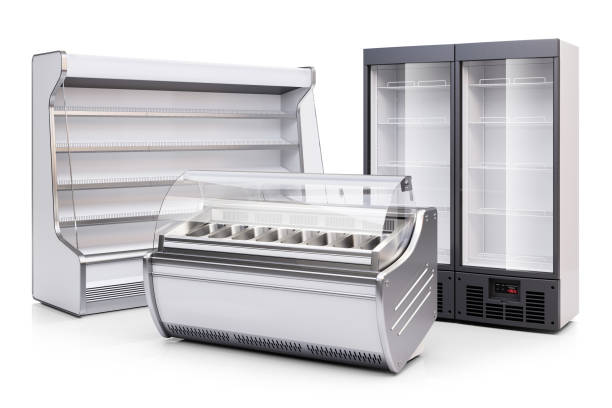
Complete Guide to Choosing the Best Commercial Refrigeration for Restaurants and Cafés
Choosing the right commercial refrigeration is one of the most important decisions for any restaurant, café, bar, or foodservice business. Your refrigeration system directly impacts food safety, inventory management, workflow efficiency, and overall operating costs. With so many options available—from upright fridges to undercounter freezers and prep stations—selecting the right one can feel overwhelming.
This comprehensive guide will help you understand the key factors to consider so you can choose the most reliable and efficient refrigeration solutions for your commercial kitchen. For additional kitchen equipment insights, feel free to explore our Complete Guide to Choosing the Right Commercial Ice Machine for Your Business”
Understand Your Kitchen’s Operational Needs
Before choosing any refrigeration unit, the first step is understanding how your kitchen operates daily.
Important Questions to Consider
- How much food needs to be stored during peak hours?
- Do you need quick-access storage, bulk storage, or both?
- Do specific prep stations require dedicated refrigeration?
- How much floor space is available in your kitchen layout?
Understanding these needs ensures the refrigeration equipment you choose supports your workflow instead of slowing it down.
Main Types of Commercial Refrigeration
Most commercial kitchens use more than one type of refrigeration to meet different storage needs. Below are the most common categories:
Upright (Vertical) Refrigerators & Freezers
Ideal for high-capacity storage and kitchens with limited floor space.
Undercounter Refrigerators
Designed to fit beneath workbenches—perfect for small kitchens or busy prep stations.
Prep Fridges (Pizza, Sandwich & Salad Counters)
These units combine refrigeration with a prep surface, allowing faster and more efficient food assembly.
Display Fridges & Grab-and-Go Coolers
Used in front-of-house areas for beverages, desserts, or packaged food items.
Chest Freezers
Best for large-volume frozen food storage.
For more equipment categories, you may explore our Benchtop Griddles Category.
Choosing the Right Size and Storage Capacity
Selecting the right size ensures stable temperature control and energy efficiency. Units that are too small cause food spoilage, while oversized units waste energy and space.
Key Factors to Consider
- Number of staff working in the kitchen
- Delivery frequency
- Ratio of chilled vs. frozen storage
- Business volume during peak hours
Capacity Guide Table
| Business Type | Daily Volume | Recommended Capacity |
|---|---|---|
| Small café | Low–medium | 1–2 undercounter fridges |
| Mid-size restaurant | Medium–high | 1 upright + 1 prep fridge |
| Large catering service | High | Multiple uprights + cold room |
Prioritize Energy Efficiency
Energy-efficient refrigeration significantly reduces long-term operational costs.
Essential Energy-Efficient Features
- High Energy Star rating
- Efficient compressor systems
- LED internal lighting
- Auto-defrost function
- Eco-friendly refrigerants
- Thick insulated walls and doors
Better efficiency not only saves money but also ensures stable cooling performance throughout the day.
Temperature Stability and Food Safety
Stable temperatures are critical for food safety and preventing spoilage.
Recommended Features
- Digital temperature displays
- Automatic alarms for temperature fluctuations
- Self-closing doors
- Reinforced door seals
- Consistent airflow and circulation systems
Reliable temperature control ensures you stay compliant with food safety standards.
Build Quality and Long-Term Durability
Commercial kitchens require strong, durable equipment that can withstand heavy daily use.
Durable Material Recommendations
- Stainless steel interior and exterior
- Heavy-duty hinges and handles
- Adjustable, sturdy shelving
- Scratch-resistant surfaces
Higher-quality materials minimise the need for repairs and extend the lifespan of the unit.
Easy Maintenance and Cleaning
Units that are easy to clean and maintain help reduce downtime and keep hygiene levels high.
Useful Maintenance Features
- Removable door gaskets
- Easy-access condenser
- Smooth interior surfaces
- Adjustable shelves
- Automatic defrost capability
Routine maintenance also keeps the unit running efficiently and prevents unexpected breakdowns.
Consider Brand Reputation and After-Sales Support
Choosing a reputable brand ensures reliable performance, better part availability, and helpful customer support. Suppliers that specialise in commercial kitchen equipment can guide you in selecting models that have been tested for durability, safety, and long-term reliability.
Frequently Asked Questions (FAQ)
1. What is the average lifespan of commercial refrigeration?
Typically 8–12 years, depending on build quality, maintenance frequency, and usage intensity.
2. Is stainless steel necessary for commercial kitchens?
Highly recommended. It is more hygienic, easier to clean, and much more durable than plastic interiors.
3. What is the ideal temperature for commercial refrigerators and freezers?
- Refrigerator: 1°C – 4°C
- Freezer: –18°C – –22°C
4. Does an Energy Star rating really make a difference?
Yes. Energy Star units can save 10–40% more energy compared to non-rated units.
5. How often should the condenser be cleaned?
At least every 3 months to maintain performance and extend compressor life.
Conclusion
Investing in the right commercial refrigeration is essential for maintaining food safety, supporting smooth kitchen operations, and ensuring long-term business efficiency. By understanding your storage requirements, selecting the right types of units, checking energy-efficiency features, and prioritising durability, you can keep your kitchen running reliably every day.