


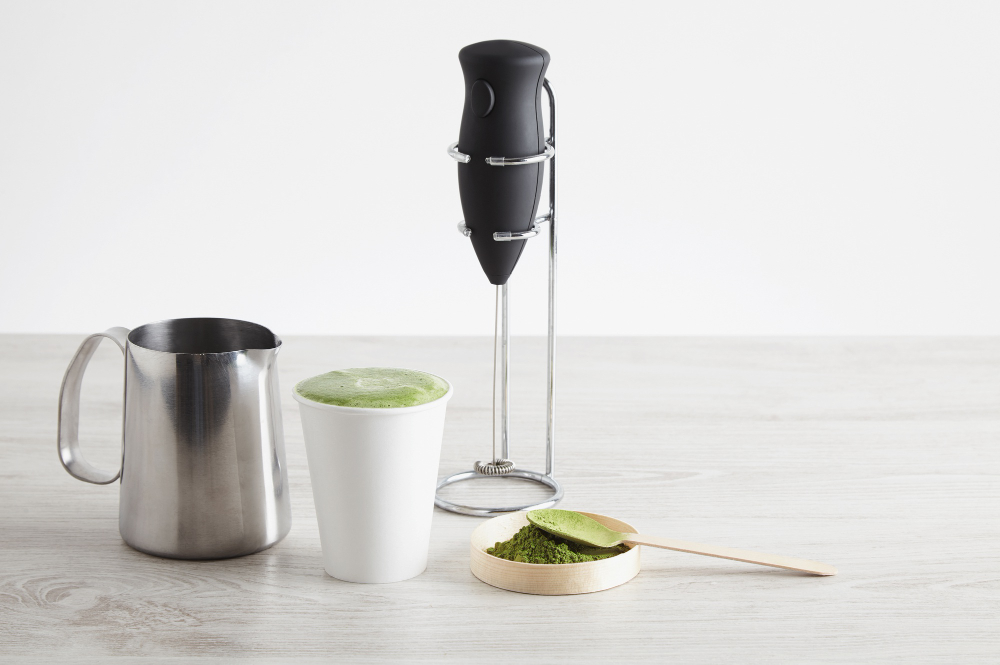
Commercial Stick Blenders: Powerful Handheld Mixing
In busy commercial kitchens, efficiency and consistency are essential. A stick blender—also known as an immersion blender or hand blender—is one of the most versatile tools professional chefs rely on for fast blending, mixing, puréeing, and emulsifying. Compact yet powerful, commercial stick blenders are designed to handle high volumes and tough ingredients, making them a must-have for restaurants, cafés, bakeries, catering services, and food production facilities.
What Is a Commercial Stick Blender?
A commercial stick blender is a handheld mixing device equipped with a powerful motor, stainless steel shaft, and durable blade system. Unlike countertop blenders, it is used directly in the cooking vessel, eliminating unnecessary transfers and reducing food waste.
Commercial stick blenders are commonly used for:
-
Soups and broths
-
Sauces and gravies
-
Purees and emulsions
-
Dressings and marinades
-
Batters and light mixtures
Built for professional use, these units are designed to handle heat, density, and continuous operation.
Why Stick Blenders Are Essential in Professional Kitchens
Faster Food Preparation
A stick blender allows direct in-pot blending, significantly reducing preparation and service time.
Consistent Texture and Quality
Powerful motors ensure smooth, uniform results—critical for soups, sauces, and emulsified products.
Improved Kitchen Workflow
Handheld operation streamlines prep processes, especially during peak service hours.
Reduced Cleanup and Labor
Fewer containers mean less washing, saving time and labor costs.
Key Features of Commercial Stick Blenders
-
High-Power Motor for dense ingredients and large batches
-
Variable Speed Control for precision blending
-
Stainless Steel Shaft and Blade for durability and hygiene
-
Ergonomic Design to reduce operator fatigue
-
Overheat Protection for safe, continuous use
-
Detachable or Interchangeable Shafts for easier cleaning.
Stick Blender Category Overview
| Category | Description | Ideal For |
|---|---|---|
| Light-Duty Stick Blenders | Compact units for small batches and occasional use | Cafés, bakeries, small restaurants |
| Medium-Duty Stick Blenders | Balanced power for daily prep and moderate volumes | Casual dining, catering kitchens |
| Heavy-Duty Stick Blenders | High-powered models for continuous, large-batch blending | Hotels, commissary & institutional kitchens |
| Fixed-Shaft Stick Blenders | Fixed shaft length for consistent container depth | Soup stations, sauce prep lines |
| Detachable / Variable Shaft Stick Blenders | Interchangeable shafts for flexible use | Multi-purpose commercial kitchens |
| Multi-Attachment Stick Blenders | Includes whisk or emulsifier attachments | Sauces, dressings, pastry kitchens |
Stick Blenders in the Commercial Kitchen Workflow
Commercial stick blenders play a critical role in soup and sauce preparation. After blending, food is often transferred to holding or serving equipment to maintain temperature and quality.
For high-output breakfast or quick-service operations, many kitchens pair stick blenders with rapid heating solutions. Learn more in our related article:
Commercial Toaster Grills: Fast Toasting for High Output
Stick blenders also integrate seamlessly with equipment from the toaster grill category to support efficient buffet, café, and hotel operations.
How to Choose the Right Commercial Stick Blender
Analyze Your Menu
Thicker soups and purees require higher motor power and stronger blades.
Determine Batch Size
Large-volume prep demands heavy-duty models with longer shafts.
Consider Frequency of Use
Daily or continuous use requires commercial-grade motors with thermal protection.
Evaluate Ergonomics
Comfortable grip and balanced weight reduce operator fatigue.
Prioritize Easy Cleaning
Detachable shafts simplify sanitation and maintenance.
Best Practices for Using a Stick Blender
-
Fully submerge the blade before turning on
-
Start at low speed, then increase gradually
-
Avoid dry running
-
Clean immediately after use
-
Use appropriate shaft length for container depth
Maintenance and Care Guidelines
Proper care ensures long-term reliability:
-
Wash shafts and blades after each use
-
Inspect seals and power cords regularly
-
Avoid exceeding recommended run times
-
Store in a clean, dry area
Who Should Use a Commercial Stick Blender?
Commercial stick blenders are ideal for:
-
Restaurants and casual dining kitchens
-
Hotels and resorts
-
Catering and banquet services
-
Cafeterias and institutional kitchens
-
Bakeries and pastry operations
Any foodservice business focused on efficiency and consistency will benefit from this equipment.
Frequently Asked Questions (FAQ)
Q1: Can a commercial stick blender replace a countertop blender?
Yes. For many tasks, stick blenders are faster, easier to clean, and more efficient.
Q2: Are stick blenders safe for hot liquids?
Yes. Commercial models are designed for hot soups and sauces.
Q3: How powerful should a commercial stick blender be?
Power depends on batch size and food density; heavy-duty kitchens should choose higher wattage models.
Q4: Are attachments interchangeable?
Many commercial models offer interchangeable attachments for added versatility.
Q5: How long can a stick blender run continuously?
This varies by model. Always follow manufacturer guidelines.
This article is based on professional foodservice experience, commercial kitchen best practices, and industry-standard equipment guidelines. It reflects hands-on expertise and reliable operational insights to support confident purchasing decisions.
Conclusion
A commercial stick blender is an indispensable tool for modern professional kitchens. Its ability to deliver fast, consistent, and in-container mixing improves efficiency, food quality, and workflow.
When combined with complementary equipment—such as solutions from the toaster grill category—stick blenders become part of a complete, high-performance kitchen setup. Investing in the right model supports long-term productivity and consistent results.