


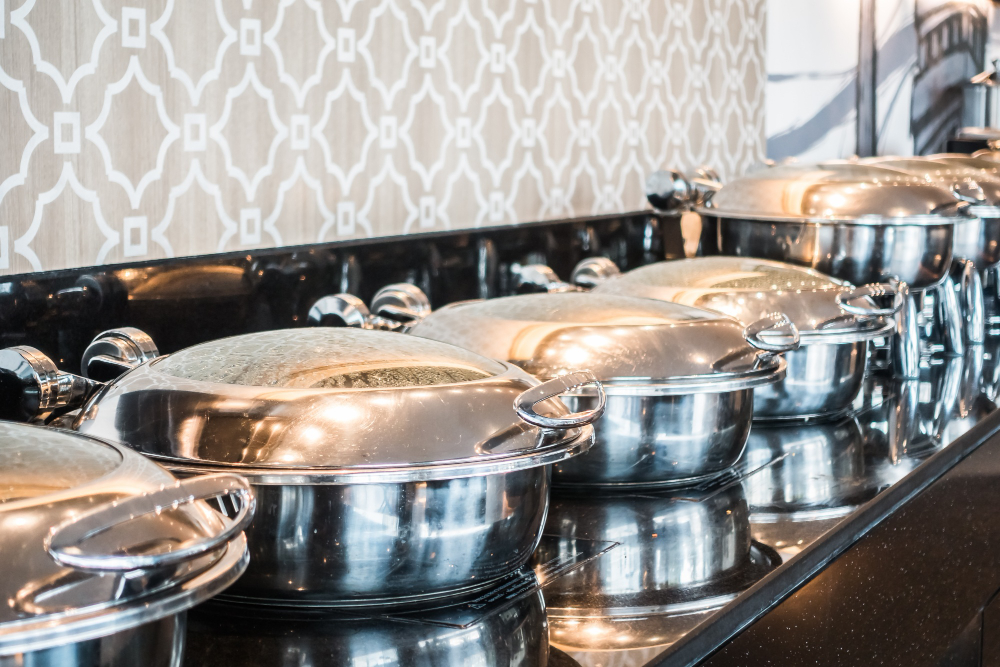
Commercial Soup Warmers: Keep Soups Hot & Fresh
Keeping soups, sauces, curries, and broths at the perfect serving temperature is essential for any food service business. Soup Warmers are designed to maintain consistent heat, preserve flavor, and ensure that every portion you serve remains fresh and delicious. Ideal for restaurants, cafés, catering services, and buffet-style operations, soup warmers help streamline kitchen workflows while maintaining food safety standards.
Whether you’re serving creamy mushroom soup, hearty stew, laksa, or gravy, quality soup warmers play a major role in delivering the best dining experience.
What Is a Commercial Soup Warmer?
A commercial soup warmer is a foodservice appliance designed to hold soups and liquid-based foods at safe, consistent serving temperatures. Unlike reheating equipment, soup warmers are specifically engineered for temperature maintenance, preventing scorching, separation, or overcooking.
Most soup warmers use electric heating elements and feature thermostatic controls, insulated housings, and durable materials suitable for continuous operation.
Common foods held in soup warmers include:
-
Soups and broths
-
Stews and chowders
-
Gravies and sauces
-
Chili and curry
-
Liquid-based side dishes
Why Soup Warmers Are Essential in Foodservice Operations
Consistent Product Quality
Maintaining even heat ensures soups retain proper texture, aroma, and flavor throughout service.
Improved Food Safety
Hot-holding at stable temperatures helps meet food safety requirements and reduces the risk of bacterial growth.
Faster Service Times
Pre-heated soups are always ready to serve, improving speed during peak dining hours.
Reduced Food Waste
Gentle, controlled heat minimizes burning or drying, helping reduce product loss.
Professional Presentation
Many commercial units are suitable for front-of-house display, enhancing visual appeal at buffets or self-service stations.
Key Features of Commercial Soup Warming Equipment
Professional soup holding units are designed for durability and ease of use. Common features include:
-
Adjustable thermostatic temperature control
-
Stainless steel housing for hygiene and durability
-
Insulated walls to retain heat efficiently
-
Removable inserts for cleaning and refilling
-
Indicator lights for operational safety
-
Compact designs suitable for countertops or service lines
Types of Commercial Soup Warmers
Understanding available formats helps businesses select equipment that aligns with their service style and volume.
Countertop Soup Warmers
Compact and portable units ideal for cafés, small restaurants, and limited counter space.
Drop-In Soup Warmers
Installed directly into counters or serving lines for a seamless, built-in appearance.
Single-Well Units
Designed to hold one soup or sauce, suitable for focused menus.
Multi-Well Units
Allow operators to hold several soups or sauces at the same time.
Display Soup Warmers
Attractive designs intended for customer-facing environments such as buffets.
Soup Warmer Categories Overview
| Category | Description | Ideal For |
|---|---|---|
| Electric Soup Warmers | Reliable and energy-efficient heat control | Most commercial kitchens |
| Single-Well Units | Holds one product | Cafés, kiosks |
| Multi-Well Units | Multiple compartments | Hotels, buffets |
| Countertop Models | Compact and flexible | Small kitchens |
| Drop-In Models | Built-in installation | High-end service lines |
| Display Units | Front-of-house use | Self-service stations |
How Soup Warmers Fit into Kitchen Workflow
In professional kitchens, soup warmers are part of a larger system designed to streamline preparation, holding, and service. Soups are typically cooked in bulk, finished to the desired texture, and then transferred into hot-holding equipment for consistent service.
Before being placed into a warmer, many soups require blending or emulsifying to achieve smooth consistency. For this stage, kitchens often rely on professional immersion blending tools. You can explore suitable preparation equipment in our stick blenders category, which supports efficient soup production before hot holding.
In operations offering a wider range of heated items, soup warmers are often paired with specialized equipment designed for precise temperature control. For example, sauces and heat-sensitive products benefit from dedicated solutions outlined in our guide Sauce & Chocolate Warmers: Precise Melt & Heat Control, which complements soup holding stations perfectly.
How to Choose the Right Commercial Soup Warmer
Evaluate Capacity Requirements
Select a unit that matches your daily serving volume and menu variety.
Consider Service Environment
Front-of-house service may require visually appealing designs, while back-of-house use prioritizes durability.
Temperature Precision
Look for accurate thermostatic controls to suit different soup types.
Material Quality
Stainless steel interiors improve hygiene and simplify cleaning.
Energy Efficiency
Well-insulated designs reduce heat loss and operational costs.
Available Space
Ensure the unit fits comfortably within your service or prep area.
Best Practices for Using Soup Warmers
-
Preheat the unit before adding hot soup
-
Stir contents periodically for consistent texture
-
Avoid overfilling to prevent spills
-
Use lids to retain moisture and heat
-
Monitor temperature during extended service
Cleaning and Maintenance Tips
Proper care extends equipment lifespan and ensures food safety:
-
Clean inserts daily after service
-
Wipe exterior surfaces regularly
-
Avoid abrasive cleaners on stainless steel
-
Inspect thermostat functionality periodically
-
Follow manufacturer-recommended maintenance schedules
Who Should Use Commercial Soup Warmers?
These appliances are ideal for:
-
Restaurants and cafés
-
Hotels and resorts
-
Buffets and cafeterias
-
Catering and banquet services
-
Institutional kitchens such as schools and hospitals
Any business serving hot liquid-based foods benefits from a dependable soup warmer solution.
This article is based on real-world foodservice workflows and commercial kitchen equipment standards. It reflects practical experience and industry best practices to support informed purchasing and operational decisions.
Frequently Asked Questions (FAQ)
Q1: What is the main purpose of a soup warmer?
It is designed to hold soups at safe serving temperatures without overcooking.
Q2: Can soup warmers be used for reheating?
They are intended for hot holding, not reheating. Products should be heated separately first.
Q3: Are commercial soup warmers energy-efficient?
Yes, insulated construction and thermostatic controls help minimize energy waste.
Q4: How many soups can one unit hold?
This depends on whether the model is single-well or multi-well.
Q5: Are these units suitable for front-of-house use?
Many models are designed specifically for display and self-service environments.
Conclusion
A commercial soup warmer is a critical investment for professional kitchens focused on quality, safety, and efficiency. By maintaining consistent temperatures and supporting smooth service flow, soup warmers help businesses deliver reliable results to customers every day.
Choosing the right unit ensures better workflow, reduced waste, and improved customer satisfaction—making soup warming equipment an essential part of modern foodservice operations.