


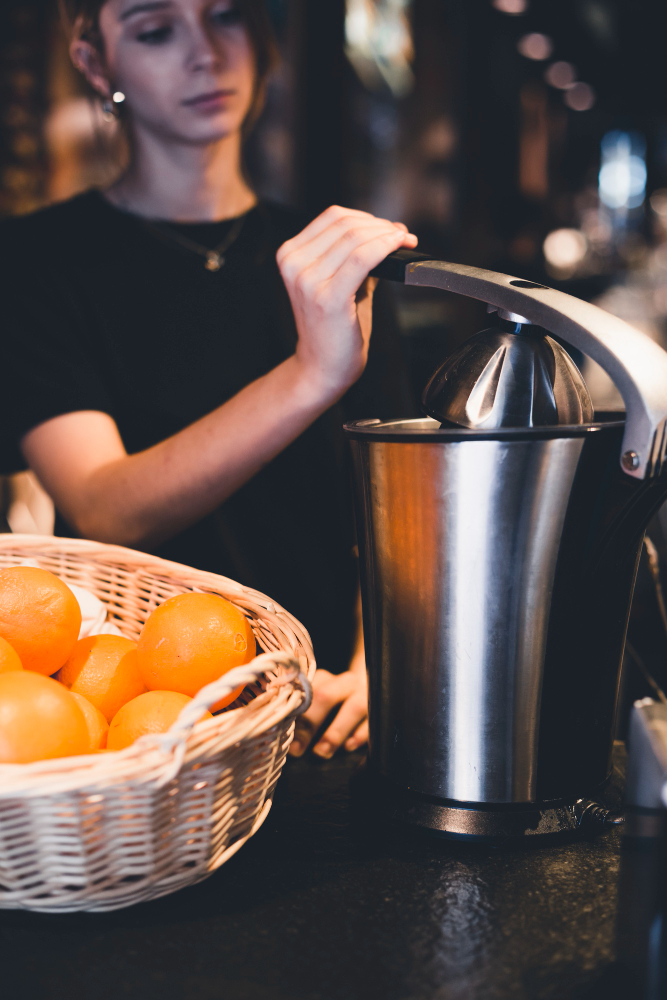
Commercial Press Juicers: Extracting Maximum Fresh Juice
Fresh, cold-pressed juice has become a staple in cafés, juice bars, hotels, and health-focused restaurants. To meet growing demand for natural beverages with high nutritional value, many businesses rely on a press juicer. Known for its superior extraction method, a press juicer produces juice that is smoother, fresher, and richer in nutrients compared to conventional juicers.
In this article, we’ll explore what a press juicer is, its benefits, key features, and how to choose the right model for your commercial operation.
What Is a Press Juicer?
A press juicer uses hydraulic or mechanical pressure to extract juice from fruits and vegetables without generating significant heat. This method preserves nutrients, color, and flavor better than high-speed centrifugal juicers.
A press juicer is especially popular in establishments offering cold-pressed juices, detox programs, and premium beverage menus.
Why Commercial Kitchens Choose Press Juicers
Commercial operators choose press juicers for several reasons:
-
Higher Nutritional Value – Gentle pressing helps maintain vitamins and enzymes.
-
Superior Flavor – Produces rich, smooth, and clean-tasting juice.
-
Maximum Juice Yield – Extracts more juice per kilogram of produce, reducing waste.
-
Longer Shelf Life – Cold-pressed juice stays fresh longer with less separation.
-
Versatility – Works with leafy greens, root vegetables, fruits, and herbs.
-
Quiet Operation – Much quieter than spinning juicers, ideal for front-of-house production.
Key Features to Look For in a Press Juicer
1. Hydraulic or Mechanical Press System
Hydraulic systems offer high pressure and consistent performance, while mechanical presses are durable and often more cost-effective.
2. Stainless Steel Construction
Essential for hygiene and durability. Stainless steel ensures easy cleaning and long-term reliability.
3. Quiet, Smooth Operation
Important for cafés and juice bars where customer experience matters.
4. Large Feed Area
Allows faster input of ingredients, ideal during peak demand.
5. Safety Interlocks
Prevent operation while the chamber is open, ensuring safe use.
6. High Yield Output
Commercial press juicers should deliver superior extraction efficiency, especially for leafy greens and dense produce.
Types of Commercial Press Juicers
1. Manual Press Juicers
-
Require physical force
-
Suitable for citrus and small operations
-
Low cost
2. Mechanical Lever Press Juicers
-
Leverage-based pressing
-
Efficient for citrus and soft fruits
-
Easy to maintain
3. Hydraulic Press Juicers
-
Most common for cold-pressed juice businesses
-
Delivers high pressure for maximum extraction
-
Ideal for mixed produce and bulk production
Benefits of Using a Press Juicer in Your Business
-
Consistent Quality – Produces smooth, pulp-free juice ideal for premium menus
-
Reduced Operational Costs – Higher yield means buying less produce
-
Menu Expansion – Perfect for detox juice lines, health shots, and fresh blends
-
Better Customer Satisfaction – Customers recognize the rich flavor of pressed juice
-
Environmentally Friendly – Less waste and more efficient use of ingredients
How to Choose the Best Press Juicer
When investing in a press juicer, consider the following:
1. Volume of Daily Juice Production
A small café may only need a compact unit, while juice bars require a heavy-duty hydraulic press.
2. Type of Ingredients
Some models perform better with leafy greens, while others excel at root vegetables.
3. Cleaning and Maintenance
Look for removable parts and dishwasher-safe components.
4. Space Availability
Counter space and workflow layout should influence your selection.
5. Durability and Warranty
Commercial kitchens demand machines that last through continuous daily use.
6. Budget
Balance cost with performance and long-term durability.
Best Uses of a Press Juicer in Commercial Settings
-
Cold-pressed juice bars
-
Restaurant beverage programs
-
Hotel breakfast buffets
-
Nutrition-focused cafés
-
Catering events
-
Wellness spas
-
Health food stores
Maintenance Tips for Press Juicers
-
Clean all parts immediately after use
-
Inspect press bags regularly for tears
-
Sanitize food-contact surfaces daily
-
Lubricate mechanical components as recommended
-
Avoid overloading produce beyond capacity limits
-
Replace worn components promptly to maintain yield and quality
Frequently Asked Questions (FAQ)
Q1: Is a press juicer the same as a cold-press juicer?
A: Yes. A press juicer is commonly used for cold-pressing because it generates minimal heat.
Q2: Can press juicers handle leafy greens?
A: Absolutely. They excel at extracting juice from greens, herbs, and fibrous vegetables.
Q3: How long does cold-pressed juice last?
A: With proper refrigeration and sanitation, cold-pressed juice can last 48–72 hours.
Q4: Do press juicers remove pulp completely?
A: Yes. Most models deliver clean, pulp-free juice with a silky texture.
Q5: Are press juicers difficult to clean?
A: Modern commercial units are designed for quick disassembly and easy cleaning.
Who Should Invest in a Press Juicer?
You should consider adding a press juicer if you:
-
Run a café or juice bar
-
Serve health-conscious customers
-
Offer detox or wellness beverages
-
Need long-lasting juice for retail bottles
-
Want premium-quality juice with high nutritional value
Conclusion
A press juicer is an indispensable tool for businesses that value high-quality, nutritionally rich juice with superior flavor and clarity. Its ability to produce maximum yield, reduce waste, and deliver consistent results makes it ideal for cafés, restaurants, juice bars, hotels, and wellness centers.
To expand your commercial kitchen knowledge, explore Commercial Portable Mixers: Lightweight Power for Kitchens and browse the Rice Cookers Category for additional professional equipment.