


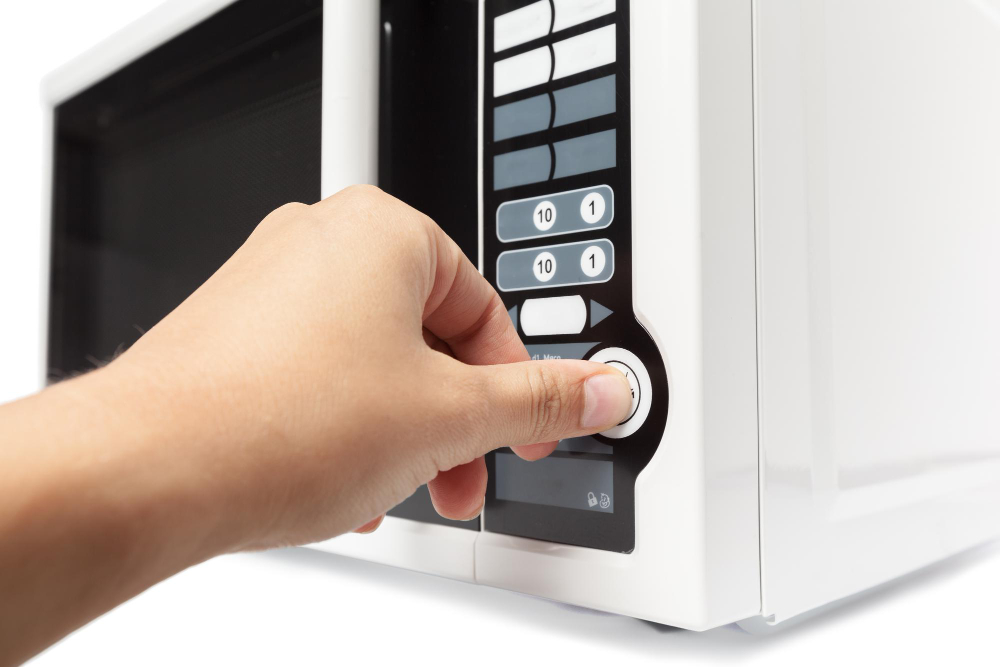
Commercial Microwaves: Cooking Speed, Power Levels & Uses
In the fast-paced world of commercial kitchens, speed and efficiency are essential. One piece of equipment that plays a crucial role in modern foodservice operations is the commercial microwave. Unlike household microwaves, commercial microwaves are engineered for high-volume, continuous use with consistent results. This article explains the benefits, features, power levels, and best uses of commercial microwaves to help you choose the right model for your business.
Commercial Microwaves: Cooking Speed, Power Levels & Uses
In fast-paced commercial kitchens, commercial microwaves are essential tools for rapid cooking, reheating, and defrosting. From cafés and restaurants to hotels and catering services, these appliances save time, improve workflow, and maintain food quality.
For related equipment insights, check out our Crepe Machines and Commercial Food Slicers: Precision Cutting for Busy Kitchens.
What is a Commercial Microwave?
A commercial microwave is a high-performance cooking appliance designed to withstand heavy daily use. Unlike domestic microwaves, commercial units offer:
-
Higher wattage and consistent cooking power
-
Durable stainless steel construction
-
Advanced controls and programmable settings
-
Rapid heating and defrosting capabilities
These microwaves are suitable for quick-service operations where speed and reliability are critical.
Types of Commercial Microwaves
1. Countertop Microwaves
-
Compact and versatile
-
Suitable for cafés, kiosks, and small kitchens
2. Over-the-Range Microwaves
-
Installed above cooking surfaces for space efficiency
-
Ideal for medium-sized restaurants
3. High-Speed or Conveyor Microwaves
-
Rapid heating and automated cooking
-
Used in fast-food chains, cafeterias, and institutional kitchens
4. Combination Ovens
-
Combine microwave and convection or grilling functions
-
Perfect for baking, roasting, and finishing dishes
Key Features to Consider
| Feature | Description |
|---|---|
| Power Levels | Adjustable wattage for various cooking tasks |
| Capacity | Internal space to accommodate plates, trays, or containers |
| Programmable Settings | Pre-set programs for consistent results |
| Durability | Stainless steel for longevity and hygiene |
| Ease of Cleaning | Removable trays, non-stick interiors, and accessible surfaces |
| Safety Features | Automatic shut-off, cool-touch surfaces, and overheat protection |
| Speed & Efficiency | High wattage reduces cooking and reheating time |
Benefits of Commercial Microwaves
-
Time-Saving: Rapid cooking and reheating streamline operations
-
Consistent Results: Even heating ensures reliable quality
-
Energy Efficient: Uses less energy than conventional ovens for quick tasks
-
Compact & Flexible: Fits limited counter space or busy kitchen layouts
-
Versatile Cooking: Suitable for defrosting, cooking, reheating, and finishing
-
Reduced Labor: Programmable presets minimize staff monitoring
-
Durable & Hygienic: Built to withstand daily commercial use
How to Choose the Right Commercial Microwave
-
Assess Kitchen Needs: Determine the menu items and volume requirements
-
Consider Power and Wattage: Higher wattage ensures faster cooking
-
Choose Type: Countertop, high-speed, or combination microwave based on space and function
-
Check Capacity: Internal space must fit trays or plates used in daily service
-
Evaluate Controls: Programmable settings and presets improve consistency
-
Look for Durability: Stainless steel and commercial-grade components are essential
-
Safety & Maintenance: Ensure easy cleaning, cool-touch surfaces, and safety certifications
Maintenance Tips
-
Clean interior and exterior daily
-
Avoid abrasive cleaners to protect surfaces
-
Check door seals for proper operation
-
Inspect fans, vents, and heating elements regularly
-
Follow manufacturer maintenance schedules
Frequently Asked Questions (FAQ)
Q1: How is a commercial microwave different from a home microwave?
A: Commercial microwaves are more durable, higher-powered, and designed for continuous use.
Q2: Can I use a commercial microwave for baking or roasting?
A: Yes, combination microwaves with convection or grilling functions allow these tasks.
Q3: What size microwave should I choose?
A: Consider your daily volume and plate/tray sizes; higher-capacity units suit busy kitchens.
Q4: Are commercial microwaves energy-efficient?
A: Yes, they heat faster than conventional ovens, reducing cooking time and energy use.
Q5: How can I ensure safe operation?
A: Choose models with automatic shut-off, cool-touch surfaces, and proper installation.
Who Should Use Commercial Microwaves?
-
Cafés and quick-service restaurants
-
Hotels and catering services
-
Convenience stores and food trucks
-
Institutional kitchens and cafeterias
-
Any high-volume operation requiring fast, reliable heating
Conclusion
Investing in a commercial microwave improves kitchen efficiency, reduces wait times, and ensures consistent food quality. By selecting the right type, capacity, and features, operators can streamline workflows while meeting the demands of fast-paced foodservice environments.
For complementary equipment, check our Crepe Machines and explore the Commercial Food Slicers Category.