


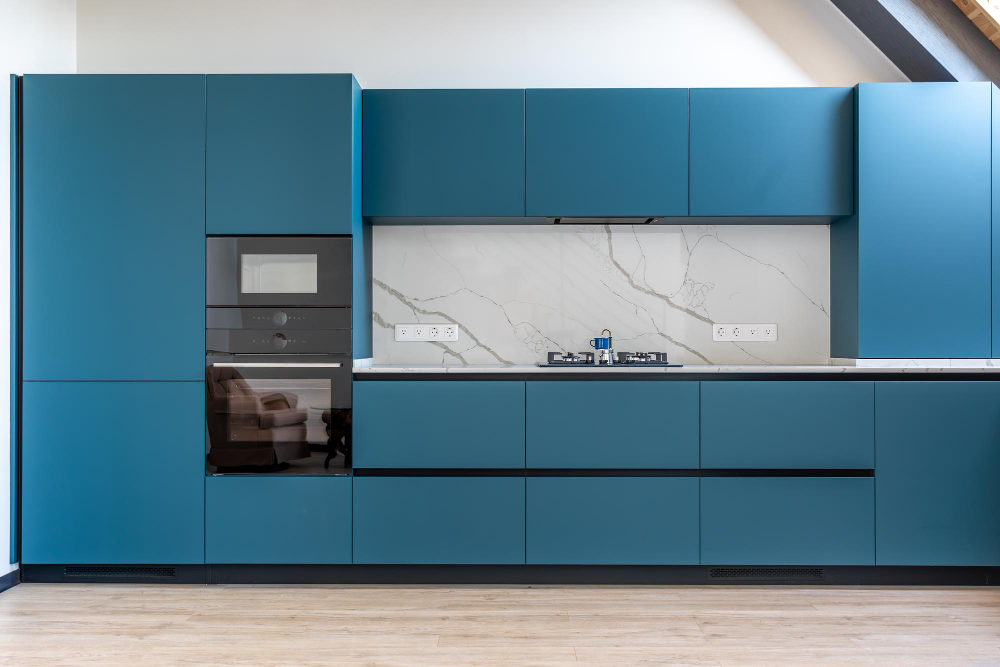
Commercial Kitchen Cabinets: Durable Storage Solutions for Every Kitchen
Keeping a commercial kitchen organized, hygienic, and easy to navigate is essential for maintaining high operational efficiency. That’s why choosing the right kitchen cabinets is crucial for restaurants, hotels, cafés, catering services, and other food establishments. Atlantic Equipment offers a wide selection of stainless steel cabinets designed for long-term durability, easy maintenance, and the heavy demands of commercial environments.
Whether used in restaurants, hotels, cafés, or institutional kitchens, commercial kitchen cabinets help create structured workspaces where staff can operate efficiently and safely. Built for continuous use, these cabinets are an essential investment for any foodservice operation aiming for consistency and professionalism.
What Are Commercial Kitchen Cabinets?
Commercial kitchen cabinets are purpose-built storage units designed specifically for professional foodservice environments. Unlike residential cabinetry, they are constructed to withstand heavy loads, frequent cleaning, moisture, and high temperatures.
Typically made from stainless steel or heavy-duty materials, these cabinets are installed under benches, against walls, or integrated into cooking and prep lines. Their role is to store cookware, utensils, ingredients, cleaning supplies, and equipment in a clean, organized, and accessible manner.
Why Kitchen Cabinets Are Essential in Professional Kitchens
Improved Organization
Clearly defined storage reduces clutter and keeps tools easy to locate.
Enhanced Hygiene
Enclosed storage protects items from dust, spills, and cross-contamination.
Efficient Workflow
Staff spend less time searching for equipment and more time focused on food preparation.
Space Optimization
Cabinets maximize under-bench and wall space without increasing floor footprint.
Long-Term Durability
Commercial-grade construction ensures reliable performance in high-use environments.
Key Features of Commercial Kitchen Cabinets
Professional-grade kitchen cabinets are designed with functionality and hygiene in mind. Common features include:
-
Stainless steel construction for durability and food safety
-
Smooth, easy-to-clean surfaces
-
Adjustable internal shelving
-
Reinforced doors and hinges
-
Ventilated or solid door options
-
Lockable doors for secure storage
These features ensure cabinets perform consistently under demanding kitchen conditions.
Types of Commercial Kitchen Cabinets
Different kitchens require different storage solutions. Understanding the available cabinet types helps operators choose the right configuration.
Underbench Cabinets
Installed beneath workbenches to maximize unused space.
Wall-Mounted Cabinets
Provide overhead storage while keeping floors clear.
Base Cabinets
Standalone units used in prep areas or along equipment lines.
Open Cabinets
Offer quick access for frequently used items.
Enclosed Cabinets
Protect contents from contamination and maintain a tidy appearance.
Commercial Kitchen Cabinet Comparison Table
| Cabinet Type | Primary Use | Best For |
|---|---|---|
| Underbench | Hidden storage | Prep stations |
| Wall-Mounted | Vertical storage | Small kitchens |
| Base Cabinets | General storage | High-volume kitchens |
| Open Cabinets | Quick access | Busy service areas |
| Enclosed Cabinets | Hygienic storage | Ingredients & tools |
How Kitchen Cabinets Improve Kitchen Efficiency
In fast-paced kitchens, efficiency depends on organization. Cabinets ensure that every item has a designated place, reducing movement and minimizing downtime during service.
By integrating cabinets with workbenches and equipment lines, kitchens create streamlined work zones where preparation, cooking, and plating flow smoothly. Well-placed storage also helps maintain clear walkways, improving safety and compliance with workplace regulations.
Material Choices for Commercial Kitchen Cabinets
Stainless Steel
The most popular choice due to its durability, corrosion resistance, and hygiene benefits.
Powder-Coated Steel
Provides durability with added color options for specific environments.
Heavy-Duty Composite Materials
Used in dry storage areas where moisture exposure is minimal.
Stainless steel remains the preferred option for most commercial kitchens due to its long lifespan and ease of cleaning.
How to Choose the Right Kitchen Cabinets
Assess Storage Needs
Identify what items will be stored and how frequently they are accessed.
Measure Available Space
Ensure cabinets fit seamlessly under benches or along walls.
Consider Door Style
Choose between sliding, hinged, or open-front designs.
Evaluate Load Capacity
Heavy cookware requires reinforced shelves and frames.
Prioritize Hygiene
Smooth finishes and sealed joints support food safety compliance.
Best Practices for Cabinet Placement
-
Install underbench cabinets in prep zones
-
Use wall cabinets to free up counter space
-
Keep frequently used items at waist-to-shoulder height
-
Separate food storage from cleaning supplies
-
Ensure doors do not obstruct walkways
Cleaning and Maintenance Guidelines
Proper maintenance extends cabinet lifespan and ensures hygiene:
-
Clean surfaces daily with food-safe cleaners
-
Inspect hinges and handles regularly
-
Avoid abrasive cleaning tools
-
Keep cabinet interiors dry
-
Address damage or corrosion promptly
Who Should Use Commercial Kitchen Cabinets?
Commercial kitchen cabinets are ideal for:
-
Restaurants and cafés
-
Hotels and resorts
-
Catering and event kitchens
-
Bakeries and pastry kitchens
-
Institutional and healthcare foodservice
Any operation handling food at scale benefits from reliable, organized storage.
Frequently Asked Questions (FAQ)
Q1: Are commercial kitchen cabinets waterproof?
Most stainless steel cabinets are highly resistant to moisture when properly maintained.
Q2: Can cabinets be customized?
Many manufacturers offer custom sizes and configurations.
Q3: Are wall-mounted cabinets safe for heavy items?
Yes, when properly installed and rated for load capacity.
Q4: Do kitchen cabinets meet food safety standards?
Commercial-grade models are designed to comply with hygiene regulations.
Q5: Can cabinets be integrated with other kitchen equipment?
Yes, they are commonly paired with benches, sinks, and infill solutions.
Conclusion
High-quality kitchen cabinets play a critical role in maintaining organization, hygiene, and efficiency in professional kitchens. By providing durable and structured storage, they support smoother workflows and help kitchens operate at their best.
For customers seeking additional kitchen organization, be sure to explore our other helpful guides—such as the blog Commercial Bakery Trolleys: Transport & Display Baked Goods Efficiently—to learn more about optimizing your workspace with professional-grade equipment.
You can also check related categories like Stainless Steel Shelves, which provide open and accessible storage solutions to complement your cabinet setup.
With high durability, reliable structure, and hygienic design, Atlantic Equipment’s kitchen cabinets are a smart long-term investment for any commercial kitchen looking to enhance efficiency and organization.