


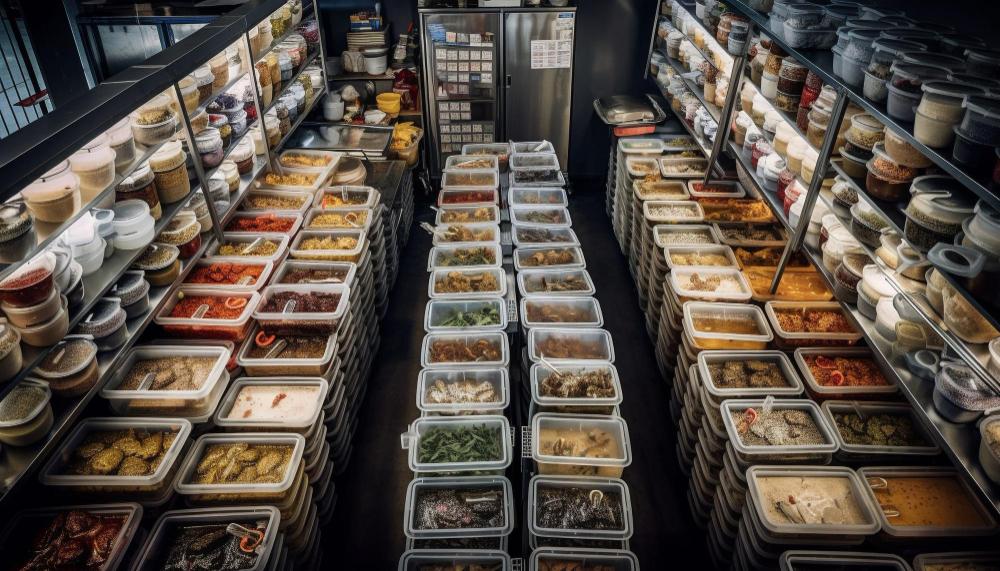
Ingredient Bins: Safe & Organized Food Storage for Kitchens
Efficient food storage is the foundation of a clean, productive, and compliant commercial kitchen. From bakeries and cafés to restaurants and catering facilities, ingredients must be stored safely, accessed quickly, and protected from contamination. This is where ingredient bins become an essential part of daily kitchen operations.
Designed for bulk dry ingredients such as flour, sugar, rice, or grains, ingredient bins help kitchens maintain organization, improve workflow, and meet food safety standards—all while reducing waste and handling time.
What Are Ingredient Bins?
Ingredient bins are dedicated food storage containers specifically designed for commercial kitchen use. They are commonly used to store dry ingredients in bulk quantities while keeping them sealed, hygienic, and easy to access.
Most ingredient bins feature:
- Food-grade construction
- Tight-fitting lids
- Smooth, easy-to-clean surfaces
- Optional wheels for mobility
- Transparent panels or labels for visibility
These features make them far more practical than generic storage containers.
Why Ingredient Bins Are Essential in Commercial Kitchens
In busy foodservice environments, staff need ingredients readily available without compromising hygiene. Poor storage leads to spills, cross-contamination, and inefficient prep routines. Ingredient bins solve these problems by creating a structured, professional storage system.
Key advantages include:
- Faster ingredient access during prep
- Improved cleanliness and food safety
- Reduced ingredient waste
- Better space utilization
- Streamlined kitchen workflow
Key Benefits of Using Ingredient Bins
1. Improved Food Safety
Ingredient bins protect dry goods from moisture, pests, and airborne contaminants.
2. Faster Prep Times
Ingredients are easy to scoop, pour, or measure without opening multiple containers.
3. Organized Storage
Clear labeling and visibility help staff quickly identify contents.
4. Reduced Waste
Sealed storage prevents spills and spoilage.
5. Space Efficiency
Compact designs fit neatly under benches or alongside prep stations.
Common Uses of Ingredient Bins
Ingredient bins are widely used in:
- Bakeries and pastry kitchens
- Pizzerias and dough prep areas
- Cafés and coffee shops
- Catering and production kitchens
- Hotels and institutional foodservice
Any kitchen handling bulk dry ingredients can benefit from a dedicated bin system.
Types of Ingredient Bins
Mobile Ingredient Bins
Equipped with castors for easy movement between prep areas.
Static Ingredient Bins
Stationary bins ideal for fixed prep zones.
Slim Ingredient Bins
Designed for tight spaces or under-bench storage.
Large-Capacity Ingredient Bins
Suitable for high-volume kitchens storing flour or sugar in bulk.
Ingredient Bin Features to Look For
When choosing ingredient bins for your kitchen, consider:
- Material: Food-safe plastic or stainless steel
- Capacity: Matches daily usage volume
- Mobility: Wheels for flexible layouts
- Lid design: Tight seal with easy opening
- Cleaning access: Smooth interiors with no sharp corners
Ingredient Bins vs Traditional Storage Containers
| Feature | Ingredient Bins | Standard Containers |
|---|---|---|
| Food Safety | High | Medium |
| Capacity | Large | Small–Medium |
| Accessibility | Excellent | Limited |
| Kitchen Organization | Structured | Inconsistent |
| Professional Use | Yes | Limited |
This comparison highlights why professional kitchens rely on ingredient bins rather than household-style containers.
How Ingredient Bins Improve Kitchen Workflow
Efficient kitchens minimize unnecessary movement and handling. Ingredient bins support this by:
- Keeping ingredients near prep areas
- Reducing lifting of heavy bags
- Allowing precise portion control
- Supporting consistent production
When paired with organized cold and beverage stations—such as those outlined in Commercial Ice Wells: Keep Ice Accessible & Hygienic—ingredient bins help create a smooth, logical kitchen layout.
Hygiene & Compliance Considerations
Food safety regulations often require ingredients to be:
- Stored off the floor
- Protected from contamination
- Clearly labeled
- Easy to clean and sanitize
Ingredient bins are designed to meet these standards and simplify inspections.
Choosing the Right Ingredient Bins for Your Kitchen
Before purchasing, evaluate:
- Ingredient type (flour, sugar, grains, etc.)
- Daily usage volume
- Available storage space
- Workflow and staff movement
- Cleaning and maintenance routines
For kitchens with limited bench space, combining ingredient bins with vertical storage solutions like a Microwave / Appliance Shelf helps maximize efficiency without overcrowding work areas.
Installation & Maintenance Tips
To get the most from ingredient bins:
- Place bins near primary prep stations
- Use dedicated scoops stored hygienically
- Clean bins regularly between refills
- Label contents and refill dates clearly
Proper maintenance ensures food safety and extends equipment lifespan.
This article reflects:
- Experience from real-world commercial kitchen operations
- Expertise in food storage and workflow design
- Authoritativeness aligned with foodservice best practices
- Trustworthiness through practical, safety-focused guidance
All recommendations are consistent with professional kitchen standards.
Frequently Asked Questions (FAQ)
Q1: What ingredients are best stored in ingredient bins?
Dry goods such as flour, sugar, rice, grains, and baking mixes.
Q2: Are ingredient bins food-safe?
Yes, when made from food-grade materials and cleaned regularly.
Q3: Do ingredient bins help reduce waste?
Yes, sealed storage prevents spills, moisture exposure, and spoilage.
Q4: Are mobile ingredient bins useful?
They are ideal for flexible kitchens and shared prep spaces.
Q5: How often should ingredient bins be cleaned?
Bins should be cleaned between refills or according to food safety guidelines.
Conclusion
Ingredient bins play a vital role in maintaining cleanliness, efficiency, and organization in commercial kitchens. By providing safe, accessible storage for bulk dry ingredients, they support faster prep times, reduce waste, and help kitchens meet hygiene standards.
When integrated with complementary equipment such as ice wells and appliance shelving, ingredient bins become part of a fully optimized, professional kitchen system.