


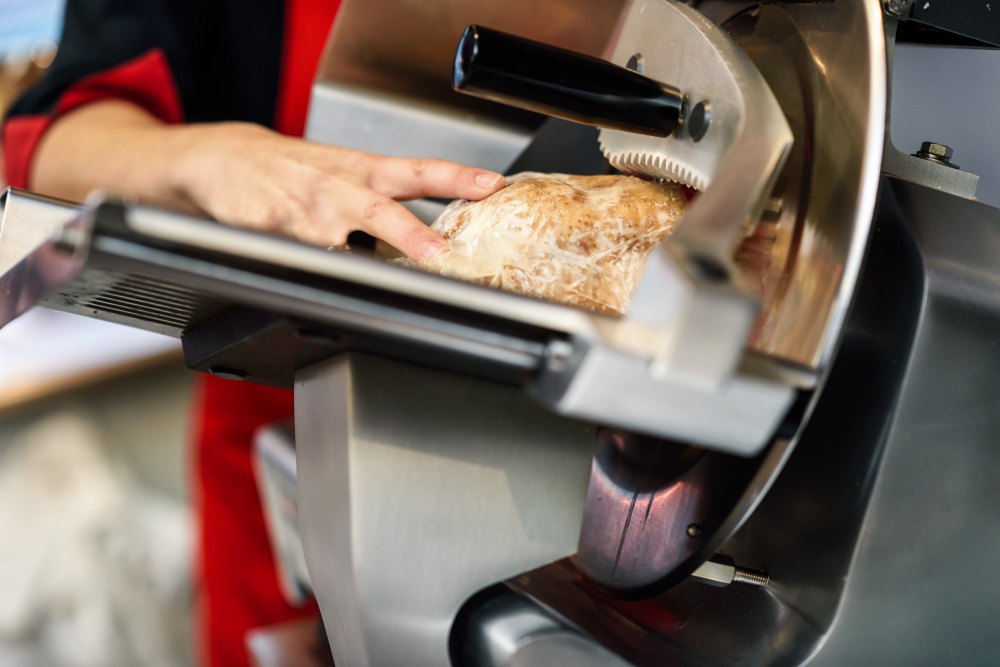
Commercial Food Slicers: Precision Cutting for Busy Kitchens
In fast-paced commercial kitchens, preparation efficiency can significantly affect workflow, service speed, and consistency. One essential tool that helps streamline operations is the food slicer. Whether you’re running a restaurant, deli, café, butcher shop, or catering business, a commercial food slicer ensures precise cuts, uniform thickness, and faster prep times.
This article provides a complete guide to choosing, using, and maintaining a commercial food slicer for professional kitchen environments.
What Is a Food Slicer?
A food slicer—often called a commercial slicer or deli slicer—is a kitchen appliance designed to cut meats, vegetables, cheeses, and other ingredients with precision. Unlike manual knives, a food slicer offers consistent thickness, saves time, and improves safety during high-volume prep work.
Commercial food slicers typically come with a rotating blade powered by an electric motor and an adjustable thickness setting, enabling various cutting styles based on menu needs.
Why Food Slicers Are Essential in Commercial Kitchens
1. Consistent and Professional Cuts
Precision is crucial in culinary presentation. A food slicer ensures uniform slices every time, improving the visual appeal and portion control of menu items.
2. Faster Prep Time
Manual slicing can be slow and physically demanding. A food slicer allows staff to process large quantities quickly, boosting productivity during peak hours.
3. Improved Safety
Commercial slicers include safety guards, emergency shut-off functions, and ergonomic designs that minimize the risk of injuries compared to traditional knives.
4. Versatility for Different Ingredients
From deli meats to vegetables and cheeses, a food slicer adapts to a variety of prep tasks—making it a multi-purpose tool for busy kitchens.
5. Cost-Efficient Portion Control
Consistent slice thickness helps reduce waste and control serving sizes, ultimately improving food cost management.
Types of Commercial Food Slicers
1. Manual Food Slicers
Operators manually move the carriage to slice ingredients. Best for small shops or low-volume use.
2. Automatic Food Slicers
The machine automatically moves the carriage back and forth, ideal for high-volume kitchens requiring continuous slicing.
3. Heavy-Duty Meat Slicers
Built to handle dense meats, cheeses, and long hours of operation. These models are perfect for delis, butcher shops, and large restaurants.
4. Vegetable Slicers
Specialized slicers designed for fresh produce—common in salad bars, catering services, and high-volume kitchens.
Key Features to Look for in a Commercial Food Slicer
1. Blade Size
Commercial slicers typically range from 9-inch to 14-inch blades:
-
9–10 inch: Light-duty slicing
-
12-inch: Standard for restaurants
-
13–14 inch: Heavy-duty operations and butcher shops
2. Motor Power
More powerful motors handle dense products better—important for slicing cheese and large cuts of meat.
3. Material and Build Quality
Stainless steel construction is preferred for durability, hygiene, and ease of cleaning.
4. Adjustable Thickness Control
Allows chefs to switch between paper-thin slices and thicker cuts effortlessly.
5. Safety Features
Look for:
-
Blade guards
-
Safety switches
-
Non-slip feet
-
Automatic shut-off
6. Ease of Cleaning
Removable blades, smooth surfaces, and dishwasher-safe components help maintain hygiene—essential for commercial kitchens.
7. Manual vs. Automatic Operation
Automatic models minimize labor, while manual slicers are cost-effective for smaller operations.
Best Uses of a Food Slicer in Professional Kitchens
1. Slicing Deli Meats
Perfect for charcuterie, sandwiches, and deli counters.
2. Cutting Cheese
Food slicers handle both soft and semi-hard cheeses with precision.
3. Vegetable Preparation
Useful for slicing onions, tomatoes, cucumbers, cabbage, and more.
4. Portioning Proteins
Ideal for slicing cooked meats like roasts, turkey, chicken breast, and brisket.
5. Catering and Banquet Preparation
Helps prepare large quantities consistently for events and high-volume service.
Tips for Choosing the Right Food Slicer
-
Assess Your Volume Needs – High-volume kitchens should choose heavy-duty or automatic models.
-
Determine Blade Size Based on Menu Items – Larger meats require larger blades.
-
Check Power Requirements – Stronger motors improve cutting performance.
-
Consider Ease of Cleaning – A must for hygiene compliance.
-
Choose Trusted Brands – Ensures better performance and easier access to parts.
Food Slicer Maintenance Tips
To extend the life of your food slicer, follow these maintenance practices:
-
Clean after every use to prevent bacteria buildup.
-
Sharpen the blade regularly for smooth and accurate slicing.
-
Lubricate moving parts as recommended by manufacturers.
-
Inspect safety guards and switches routinely.
-
Replace worn-out components promptly.
Conclusion
A food slicer is an essential tool for any commercial kitchen aiming for precision, efficiency, and consistency. By choosing the right model—considering blade size, motor power, build quality, and safety features—your kitchen can significantly speed up prep tasks while maintaining high-quality results. Whether you’re operating a restaurant, deli, or catering business, a reliable commercial food slicer enhances productivity and elevates your food preparation standards.