


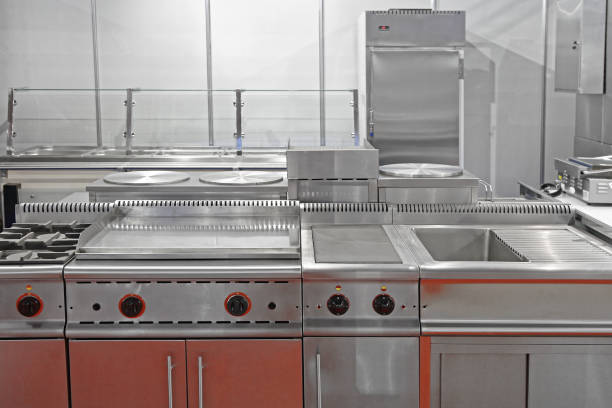
Complete Guide to Choosing the Best Cooking Equipment for Commercial Kitchens
Selecting the right commercial cooking equipment (CCE) is one of the most critical decisions for the operational success of your kitchen. Whether you manage a fine-dining restaurant, a bustling café, a hotel chain, a large-scale catering service, or a delivery-focused cloud kitchen, the quality and efficiency of your machinery directly dictate food consistency, service speed, operating costs, and overall kitchen workflow.
This comprehensive guide is designed for business owners and professional chefs seeking to make smart, informed investments, understand key selection factors, and ensure their kitchen is ready to meet high production demands.
1. The Importance of Investing in Quality Commercial Cooking Equipment
In the fast-paced food service environment, every piece of equipment must be capable of supporting high-volume production, maintaining precise temperature control, and most importantly, ensuring safety. The right equipment is not merely an expense, but a strategic investment.
Key Benefits of High-Quality Commercial Equipment:
- Operational Efficiency: Speeds up cooking processes and reduces waiting times, allowing your kitchen to serve more customers during peak hours.
- Product Consistency: Precise temperature controls (for example, on a commercial oven or deep fryers) ensure every dish is of the same high quality, protecting your brand’s reputation.
- Long-Term Cost Savings: Heavy-duty and Energy Star-rated equipment may have a higher upfront cost, but they significantly reduce electricity/gas consumption and minimize repair or replacement expenses.
- Compliance and Safety: Equipment meeting Australian standards (such as gas and electrical certifications) ensures staff safety and compliance with local regulations.
2. Core Factors in Commercial Cooking Equipment Selection
Before compiling your shopping list, focus on five key variables that will determine the ideal equipment for your business model.
2.1. Menu Type, Production Volume, and Kitchen Workflow
Your menu is the blueprint for your kitchen. Equipment choices must be mapped directly to the dishes you serve and the volume you anticipate.
| Cuisine/Concept Type | Essential Equipment Needed |
|---|---|
| Steakhouse & Grill | Charbroilers, Salamanders, Commercial Griddles. |
| Café & Quick Breakfast | Induction Cooktops (for efficiency), Waffle Makers, Sandwich Presses. |
| Bakery/Pastry Shop | Deck Ovens, Combi Ovens (for consistent moisture and heat), Commercial Mixers. |
| Fast Food/Fried Concept | High-Capacity Deep Fryers (gas or electric), Fryer Dump Stations. |
Consider the Footprint: Balance production needs with available space. Smaller kitchens might require multifunctional appliances like Combi Ovens that can bake, roast, steam, and fry.
2.2. Kitchen Size and Layout Requirements (Maximizing Space)
Your cooking equipment must fit harmoniously into your kitchen layout. Use designs that allow for:
- Multifunctionality: Choose appliances that consolidate several functions into one unit.
- Vertical/Stackable: Convection ovens or deck ovens that can be stacked optimize vertical space.
- Mobility: Consider equipment on casters for easier cleaning and workflow adjustments.
2.3. Energy Efficiency and Long-Term Operational Costs
While cheaper equipment might be tempting, energy efficiency is crucial for profitability. Always look for products with:
- High Energy Star Ratings: Indicates the unit meets strict energy efficiency guidelines.
- Advanced Thermal Insulation: Better heat retention, reducing warm-up time.
- Induction Technology: Commercial Induction Cooktops offer instant heat control and much higher efficiency than traditional gas or electric units, as heat is only generated when a pan is present.
2.4. Material Quality and Build (Heavy-Duty vs. Medium-Duty)
Commercial kitchens are high-stress environments. Durability is paramount.
- Material: Always select equipment made from high-grade Stainless Steel (typically Type 304) for corrosion resistance, ease of cleaning, and hygiene standards.
- Operating Capacity: Determine if you need a heavy-duty unit (12+ hours/day operation, very high volume) or medium-duty (moderate volume café/restaurant). This difference significantly impacts cost and lifespan.
3. Essential Types of Commercial Cooking Equipment
Each equipment category plays a specific role in achieving the perfect dish. Atlantic Equipment offers a wide range of options for every commercial need.
3.1. Commercial Ovens (The Versatile Workhorse)
Ovens are the core of many production kitchens. The type of commercial oven selected depends on your primary function:
- Convection Ovens: Use fans to circulate heat evenly, ideal for baking, quick roasting, and high-volume production.
- Combi Ovens: Highly versatile, combining Convection (dry heat) and Steam (moist heat). This is the best investment for kitchens demanding maximum flexibility.
- Deck Ovens: Primarily used for baking bread, pizza, or products requiring intense, stable bottom heat.
3.2. Commercial Ranges and Cooktops (The Foundation of Cooking)
Commercial Ranges typically integrate top burners with an oven beneath, making them an efficient, all-in-one solution for limited space.
- Gas Ranges: Offer instant heat control, a traditional chef favourite.
- Electric Ranges: More stable for maintaining low, gentle heat.
- Induction Cooktops: The most efficient, fast, and safe option, heating the cookware directly via magnetic fields.
3.3. High-Capacity Deep Fryers
Whether for fish & chips, chicken wings, or donuts, Deep Fryers must have a high recovery rate (high BTU/wattage) to quickly reheat the oil between batches and maintain food quality.
- Gas Fryers: Popular for extremely fast temperature recovery (high BTU).
- Electric Fryers: Often used in lower volume cafes or as supplementary units.
- Pressure Fryers: Used for cooking fried chicken while retaining moisture within the product.
3.4. Grills, Griddles, and Charbroilers (The Searing Specialists)
These direct-heat appliances are essential for achieving perfect caramelisation and distinctive flavour profiles:
- Commercial Griddles: Feature a flat surface, ideal for cooking high volumes of pancakes, eggs, burgers, and vegetables simultaneously.
- Charbroilers: Use lava rocks or infrared radiation to impart a smoky, flame-kissed flavour to meats.
- Salamanders: Used for finishing dishes, such as melting cheese, creating a top crust (browning), or keeping food warm.
4. Total Cost of Ownership (TCO) Analysis
The purchasing decision goes beyond the initial price tag. As a professional, you must calculate the Total Cost of Ownership (TCO):$$\text{TCO} = \text{Initial Purchase Price} + \text{Installation Costs} + \text{Lifetime Energy Costs} + \text{Maintenance Costs} – \text{Salvage Value}$$
Focusing on equipment with low energy and maintenance costs, even if the purchase price is higher, is the perspective adopted by industry experts.
5. Maintenance Tips to Maximize Equipment Lifespan
Even the best commercial cooking equipment requires routine care to maintain peak performance and avoid costly downtime.
- Daily Cleaning: Clean up grease and spills daily. Baked-on grease and carbon build-up reduce heat transfer efficiency. Specifically, routinely filter the oil in your Deep Fryers to extend oil life and frying quality.
- Scheduled Professional Servicing: Schedule technician inspections at least twice a year. This prevents major breakdowns and ensures all safety components are working correctly.
- Staff Training: Misuse is a leading cause of failure. Ensure all staff understand Standard Operating Procedures (SOPs) and the workload limits of each appliance.
Frequently Asked Questions (FAQ)
Heavy-duty equipment is built with superior components and thicker steel designed to operate continuously for 12+ hours per day in high-volume settings (e.g., large hotels or production kitchens). Medium-duty is suitable for operations running 6-8 hours daily (e.g., small cafes). Investing in heavy-duty units ensures a longer lifespan and reliability for demanding businesses.
The Energy Star rating is highly important. While the unit may cost more initially, it is scientifically proven to consume less energy (gas or electricity) over its lifetime, leading to significant long-term savings on utility bills and a better ROI (Return on Investment).
Gas offers instant, powerful heat and fast temperature changes, which many chefs prefer for quick stovetop work. Electric ranges, particularly induction, offer superior energy efficiency and precision control at lower temperatures. The choice often depends on utility availability and specific cooking preference.
Conclusion: A Long-Term Investment for Kitchen Excellence
Choosing the right commercial cooking equipment is the foundation for building an efficient, safe, and profitable kitchen. By carefully analyzing your menu requirements, production volume, operational budget (TCO), and space constraints, you can make smart investments. Prioritise durability, energy efficiency, and compliance with Australian industry standards.
If you are ready to build or upgrade your kitchen with high-quality products, explore the full range of commercial cooking equipment at Atlantic Equipment, from advanced ovens to high-capacity deep fryers. We are here to help you find the best solution tailored to your business specifications.