


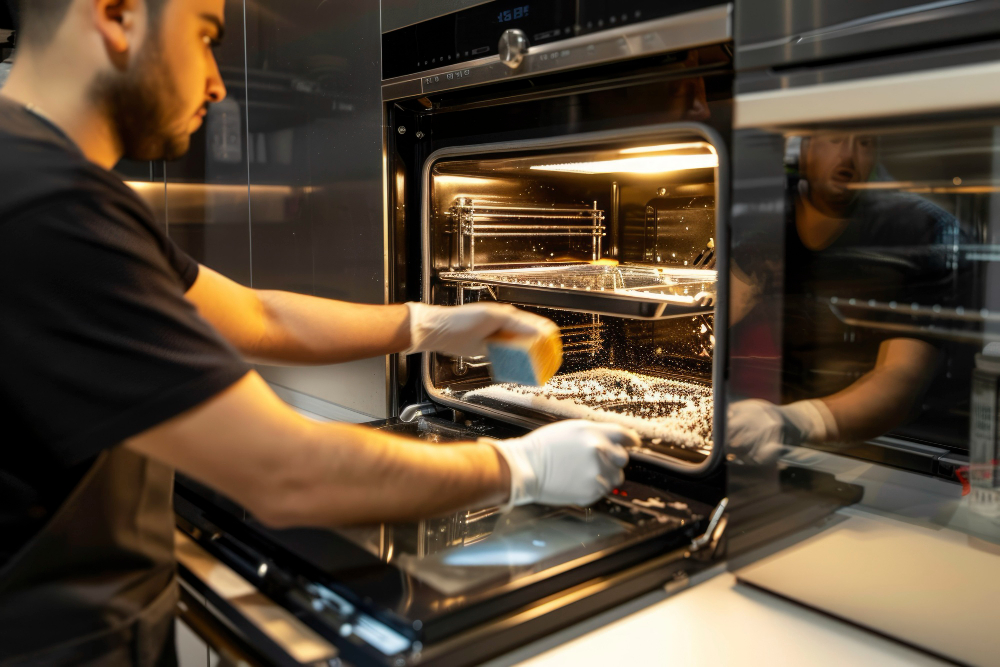
Commercial Oven Guide: Types, Features, and Buying Tips
Choosing the right commercial oven is one of the most important decisions for any food business. Whether you operate a restaurant, bakery, café, catering service, or cloud kitchen, your oven directly impacts food quality, cooking speed, operational efficiency, and long-term costs. With a wide range of options available—convection ovens, combi ovens, deck ovens, conveyor ovens, and traditional commercial ovens—it’s crucial to understand how each type works and which one suits your kitchen needs best.
This guide provides an in-depth overview of commercial ovens, including key features, benefits, types, buying considerations, maintenance tips, and frequently asked questions.
1. Types of Commercial Ovens for Food Businesses
Understanding the main oven types helps you select the best fit for your workflow and menu.
a. Convection Ovens
- Use fans to circulate hot air for even and fast cooking.
- Best for: pastries, baked goods, roasted vegetables, meats, and general menu items.
b. Combi Ovens
- Combines steam, convection, and combination modes in a single appliance.
- Best for: restaurants needing versatility and consistent results.
- Why it’s popular:
- Precise humidity control
- Faster cooking times
- Better food quality and moisture retention
- Ideal for high-volume operations
c. Deck Ovens
- Provide stone deck heat, commonly used in bakeries and pizzerias.
- Best for: artisan bread, pizza, pastries, and baked goods that require even bottom heat.
d. Conveyor Ovens
- Food moves through the oven on a conveyor belt for consistent cooking.
- Best for: pizza chains, fast-food outlets, and high-volume kitchens.
e. Commercial Microwave Ovens
- Fast heating and reheating, ideal for high-volume businesses or prep stations.
| Oven Type | Primary Use | Key Advantage |
|---|---|---|
| Convection Oven | General menu items | Even, fast cooking |
| Combi Oven | Versatile kitchen needs | Multi-mode cooking |
| Deck Oven | Bakery & pizza | Stone deck heat, consistent baking |
| Conveyor Oven | Fast food & pizza chains | High-volume, automated cooking |
| Microwave Oven | Quick heating | Speed and convenience |
2. Key Features to Consider When Buying a Commercial Oven
When purchasing a commercial oven, these features ensure efficiency, consistency, and long-term value.
- Temperature Range & Precision
- Essential for menus with diverse cooking techniques (grilling, roasting, steaming, baking).
- Capacity & Size
- Small businesses: compact convection ovens
- Restaurants & hotels: combi ovens or large convection units
- High-volume bakeries: deck or conveyor ovens
- Energy Source: Gas vs. Electric
- Gas ovens: lower operating cost, faster heat recovery
- Electric ovens: consistent heat distribution, easier installation
- Controls: Manual vs. Digital
- Manual: simple and budget-friendly
- Digital/Touchscreen: programmable recipes, timers, automation
- Multi-Functionality
- Combi ovens allow steaming, roasting, baking, grilling, and reheating in one appliance.
- Build Quality
- Stainless steel construction, high-grade seals, durable hinges, and commercial-grade components.
3. Benefits of Using Combi Ovens in Commercial Kitchens
Although all commercial ovens have their advantages, combi ovens are particularly versatile and widely used.
- Three Cooking Modes:
- Steam: perfect for fish, rice, vegetables
- Convection: browning, roasting, baking
- Combination: maintains moisture while producing crisp textures
- Consistent Results: Automated humidity and temperature control ensure even cooking every time.
- Faster Cooking Times: High heat and moisture retention reduce total cooking duration.
- Space & Equipment Saving: Replaces multiple appliances in small kitchens.
- Energy Efficiency: Modern models reduce power consumption while maintaining high performance.
Additional benefits include improved food presentation, reduced waste, and the ability to experiment with advanced cooking methods such as sous-vide style steaming.
4. How to Choose the Right Commercial Oven for Your Business
a. Identify Your Menu Needs
- Bakery → Deck Oven
- Restaurant → Convection or Combi Oven
- Fast Food → Conveyor Oven
b. Consider Workflow and Kitchen Layout
- Ensure proper ventilation, power supply, and optimal kitchen traffic flow.
c. Compare Advanced Features
- Auto-cleaning systems
- Humidity control
- Multi-level cooking
- Smart sensors
- Programmable cooking cycles
d. Maintenance & After-Sales Support
- Brands with easy access to spare parts
- Local service networks
- Strong warranty options
e. Budget and Long-Term Cost
- Combi ovens may have higher upfront costs but save on energy, labor, and cooking time over the long term.
5. Common Mistakes When Buying a Commercial Oven
Avoid these errors to maximize your investment:
- Buying an oven too small for your daily volume
- Choosing low-quality brands without warranty
- Ignoring energy consumption and operating costs
- Overlooking installation requirements (power, ventilation)
- Failing to train staff on proper use
6. Maintenance Tips for Long-Lasting Performance
- Clean oven interiors and racks regularly
- Inspect door seals for wear and tear
- Check burners or heating elements for blockages
- Descale or clean steam generators as required
- Schedule routine professional servicing
- Train staff on safe and hygienic operation
Proper maintenance ensures consistent cooking results and protects your investment.
7. Frequently Asked Questions (FAQ)
Q1: What is the most versatile commercial oven for high-volume kitchens?
A: Combi ovens, because they combine steam, convection, and combination modes in one unit.
Q2: How often should I clean a commercial oven?
A: Daily cleaning is recommended, especially for high-volume kitchens.
Q3: Can I use a combi oven for baking bread?
A: Yes, combi ovens are versatile enough for steaming and baking bread with excellent results.
Q4: Gas or electric—what should I choose?
A: Gas ovens offer faster heat recovery and lower operating costs; electric ovens provide consistent heat and easier installation.
Q5: How do I select the right oven size for my business?
A: Consider your daily volume, menu type, and kitchen layout. Small cafés may need compact units, while bakeries and restaurants may require larger multi-tray ovens.
8. Conclusion
Selecting the right commercial oven significantly enhances food quality, consistency, and operational efficiency. By understanding the types of ovens, their features, and key buying considerations, you can make an informed choice that fits your kitchen workflow and menu requirements. For further guidance on commercial kitchen equipment, check out our Convection Ovens vs Standard Ovens: Which Is Better? and explore our Commercial Cooking Equipment Category for detailed insights and professional recommendations.